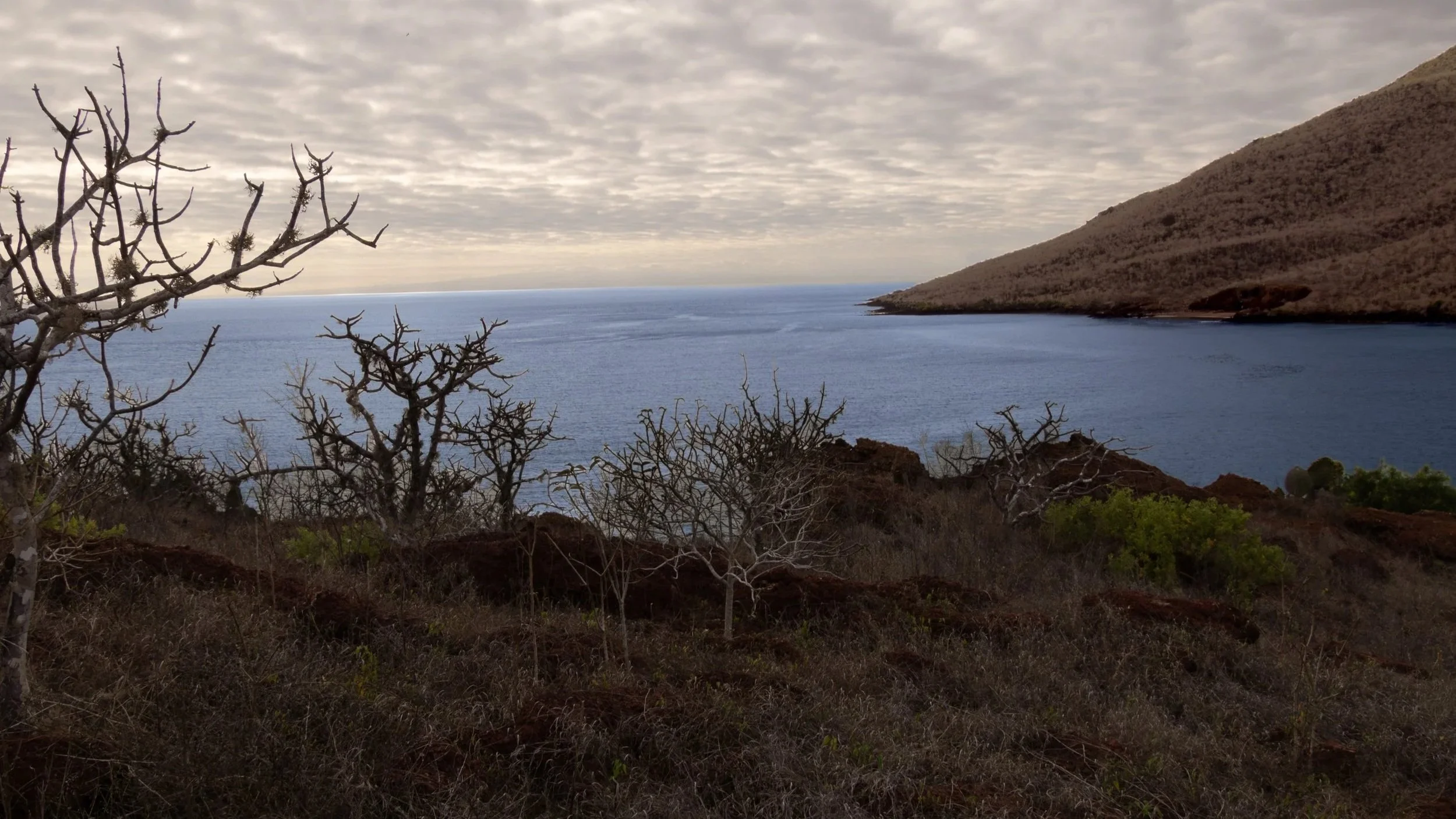
Rabida, Santiago Island.
Rábida Island—often called "Red Island"—is one of the most visually striking and geologically unique visitor sites in the Galápagos archipelago. Located south of Santiago Island, its defining characteristic is the intense, rust-red color of its volcanic soil and beaches, caused by the high iron content in the island's volcanic material that has oxidized over time.
Landscape and Geology
The island is relatively small, but its landscape is vibrant and dramatic, offering a distinct experience compared to the basaltic black-rock environments found elsewhere in the islands.
Red Sand Beach: The landing site is a famous dark red beach, which provides a stunning photographic contrast against the deep turquoise waters.
Volcanic Cliffs: The shoreline is bordered by steep, reddish cliffs that have been carved by the elements, creating rugged paths for exploration.
Wildlife Highlights
Despite its small size, Rábida is a hub for wildlife, particularly for birdwatching and marine encounters.
Sea Lion Colony: A large, playful colony of sea lions often inhabits the red sand beach, where they are frequently seen resting or interacting in the shallow waters.
Diverse Birdlife: The island is a premier spot for observing species such as brown pelicans (which have a large nesting colony here), flamingos (in a small saltwater lagoon behind the beach), and nine different species of Darwin’s finches.
Marine Encounters: The snorkeling off the coast of Rábida is highly rated, offering clear waters where visitors can encounter white-tip reef sharks, eagle rays, and schools of colorful reef fish swimming among interesting underwater rock formations.
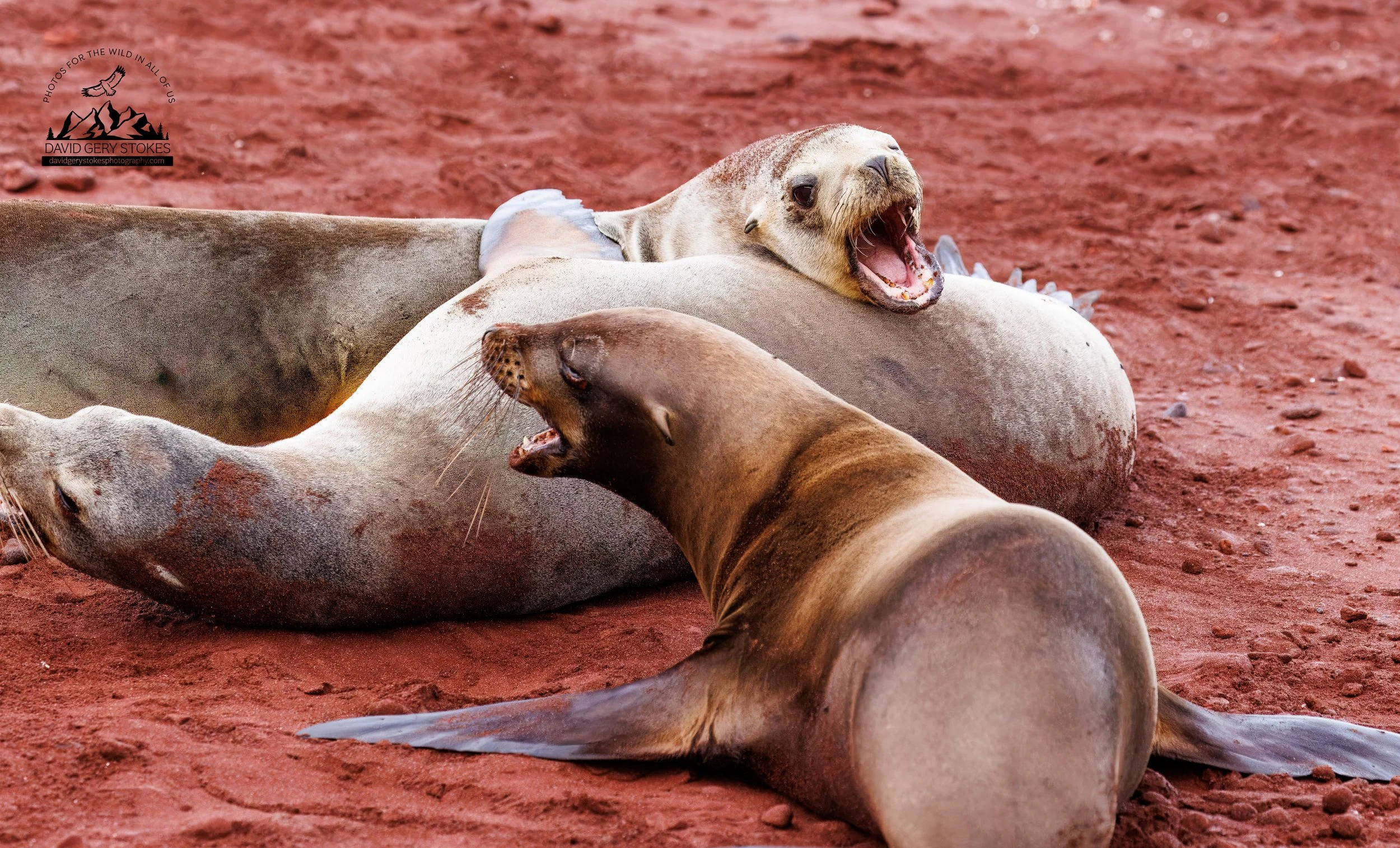
7906 Sea Lion FIght
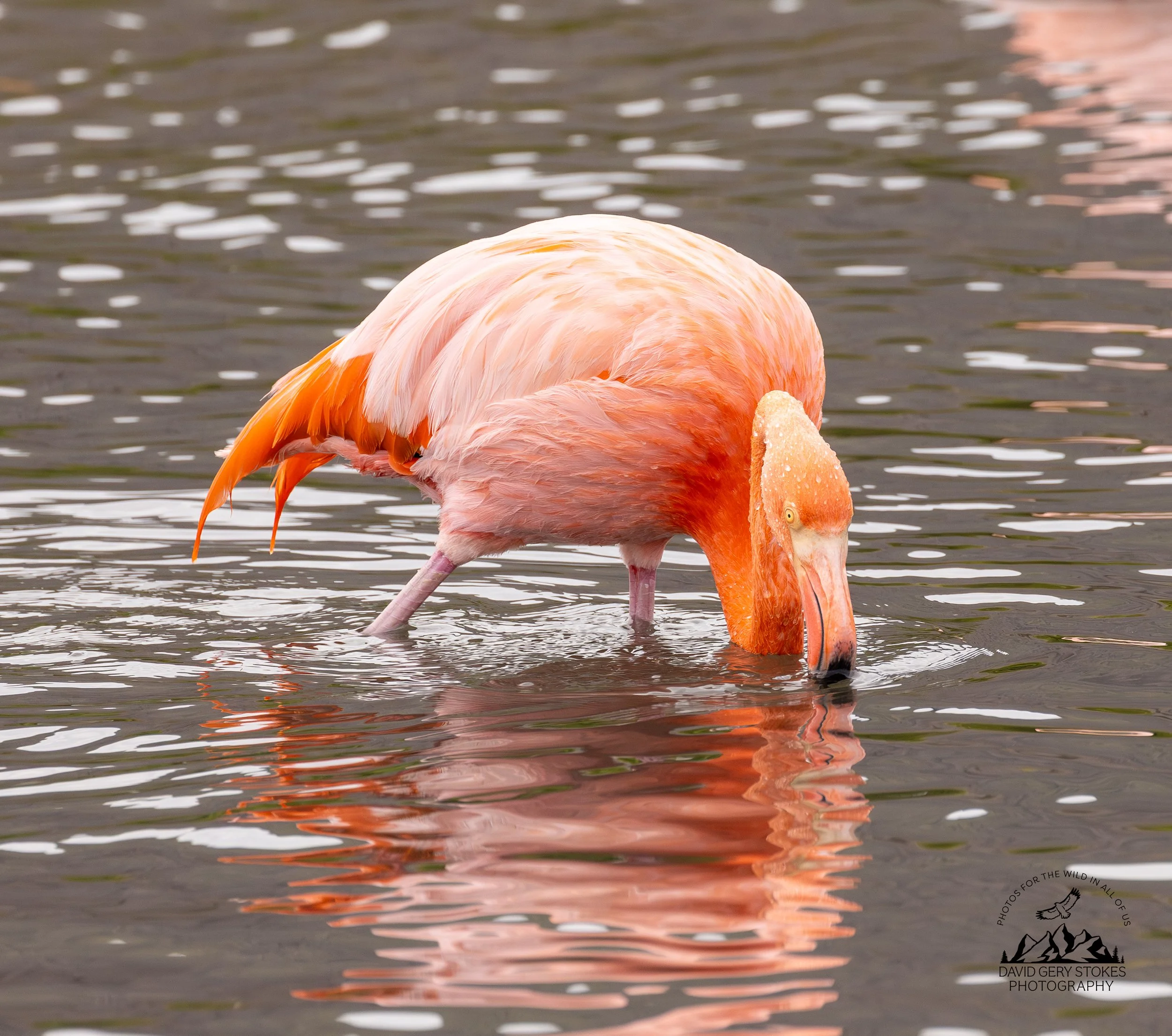
8143 Flamingo
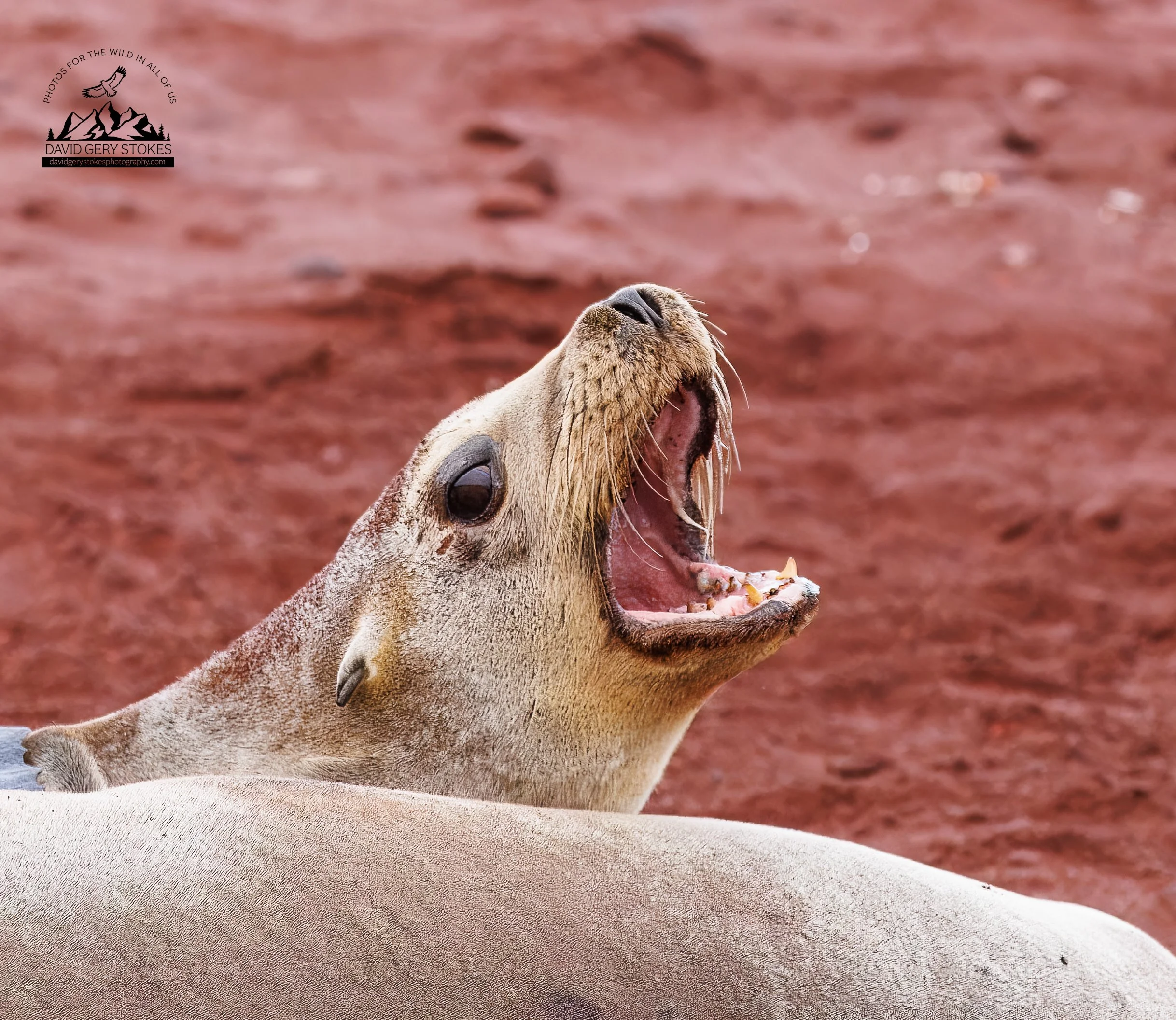
7910 Sea Lion Bark
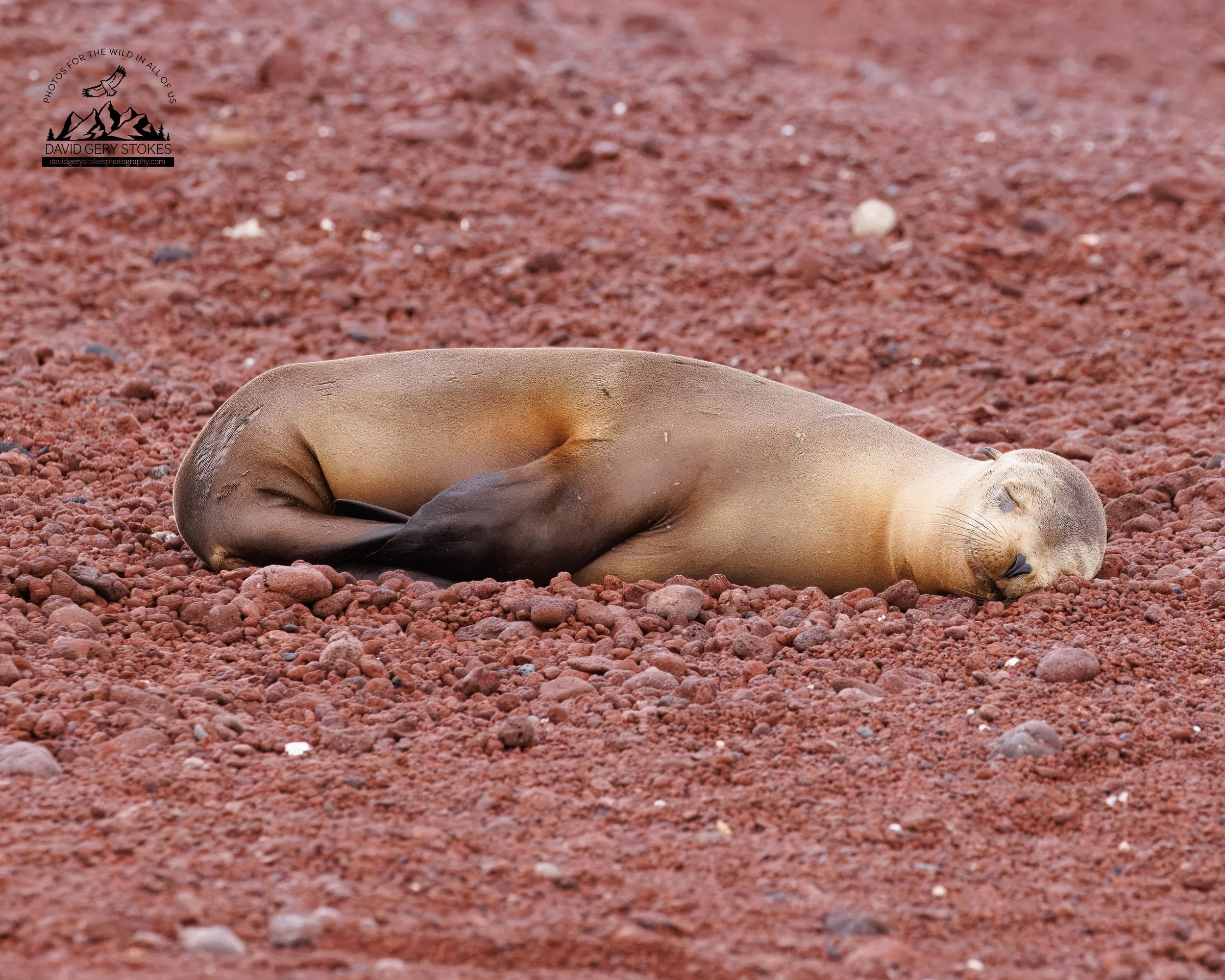
7975 Sleepy Sea Lion
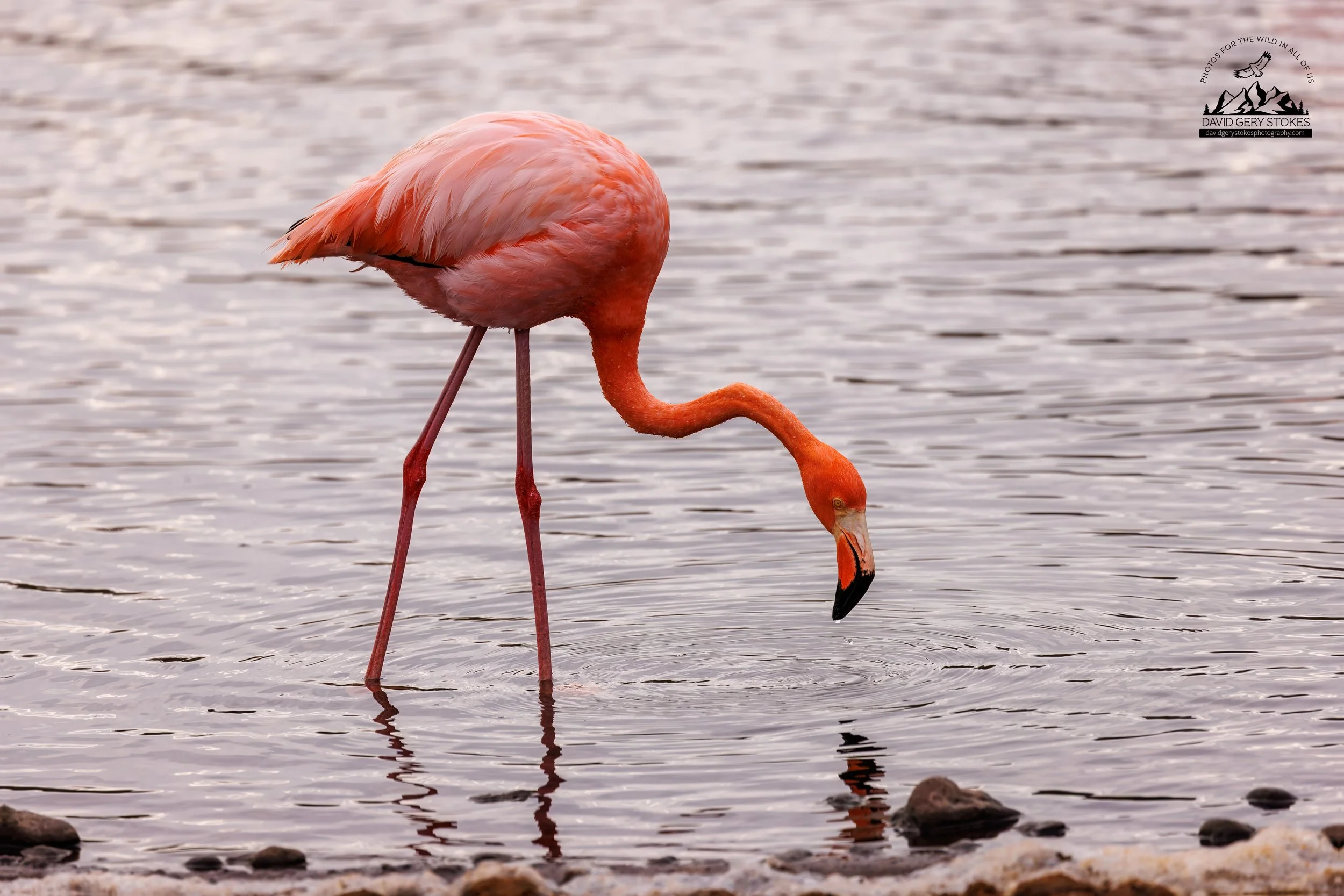
8154 Flamingo
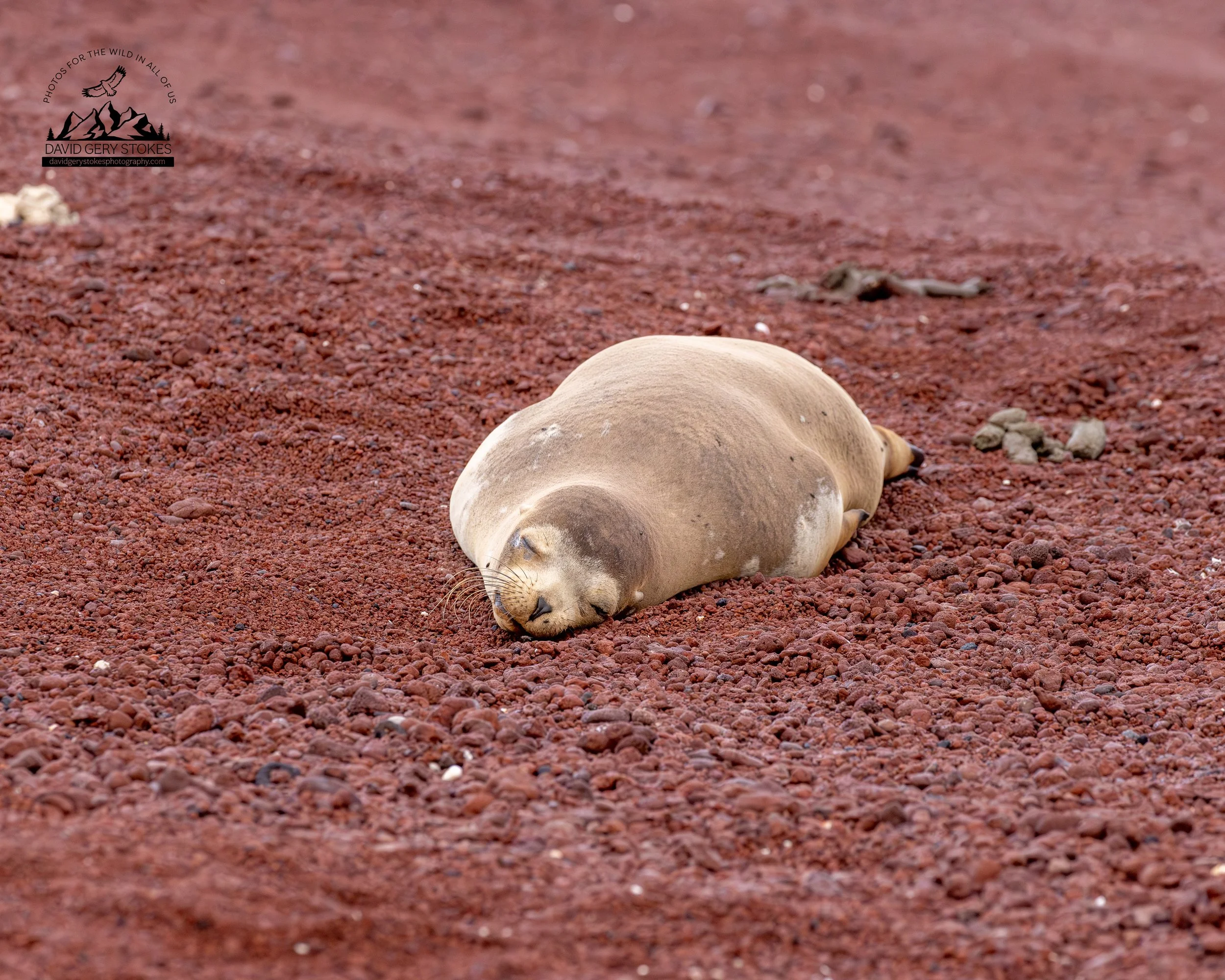
7956 Sleepy Sea Lion
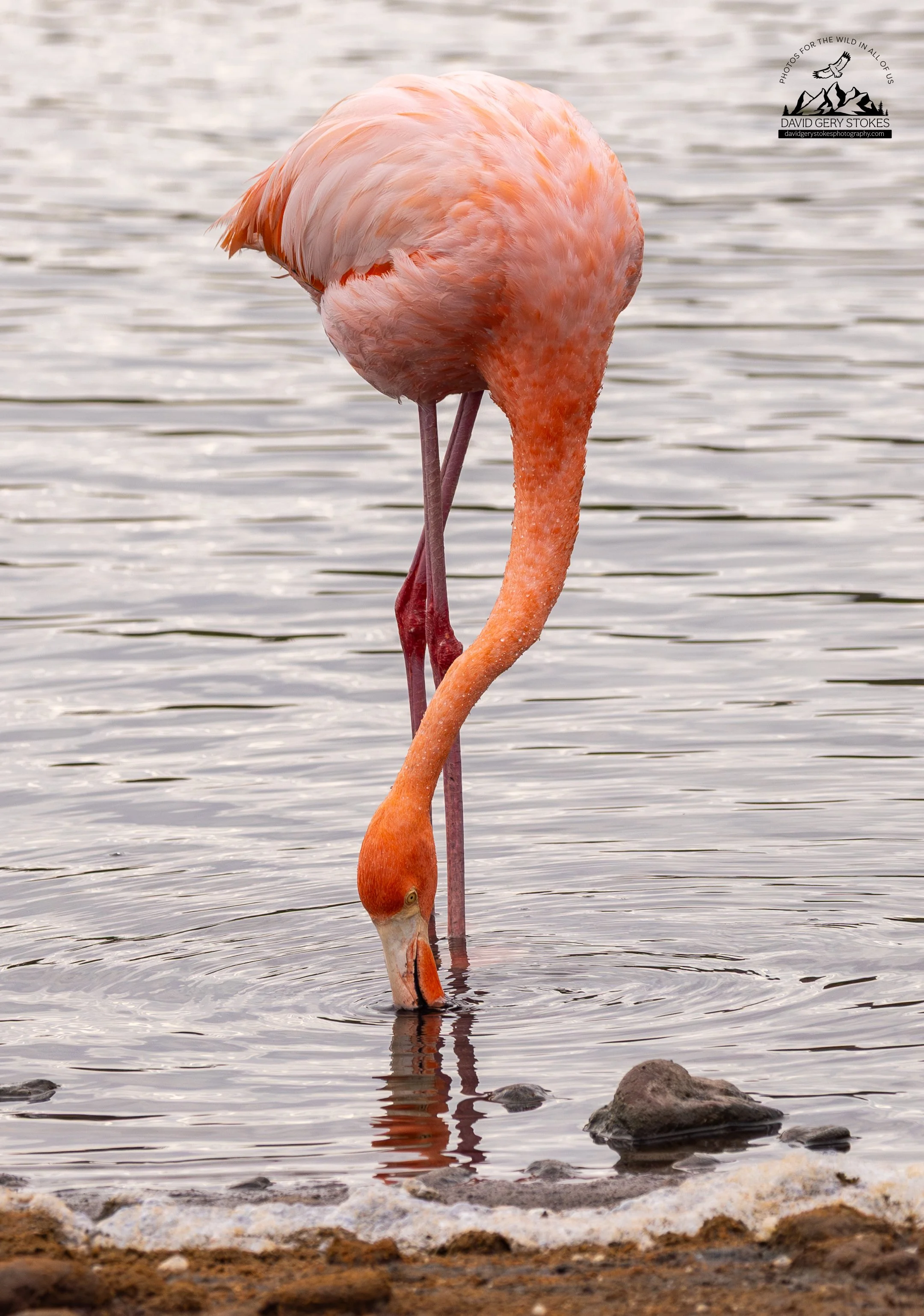
8168 Flamingo
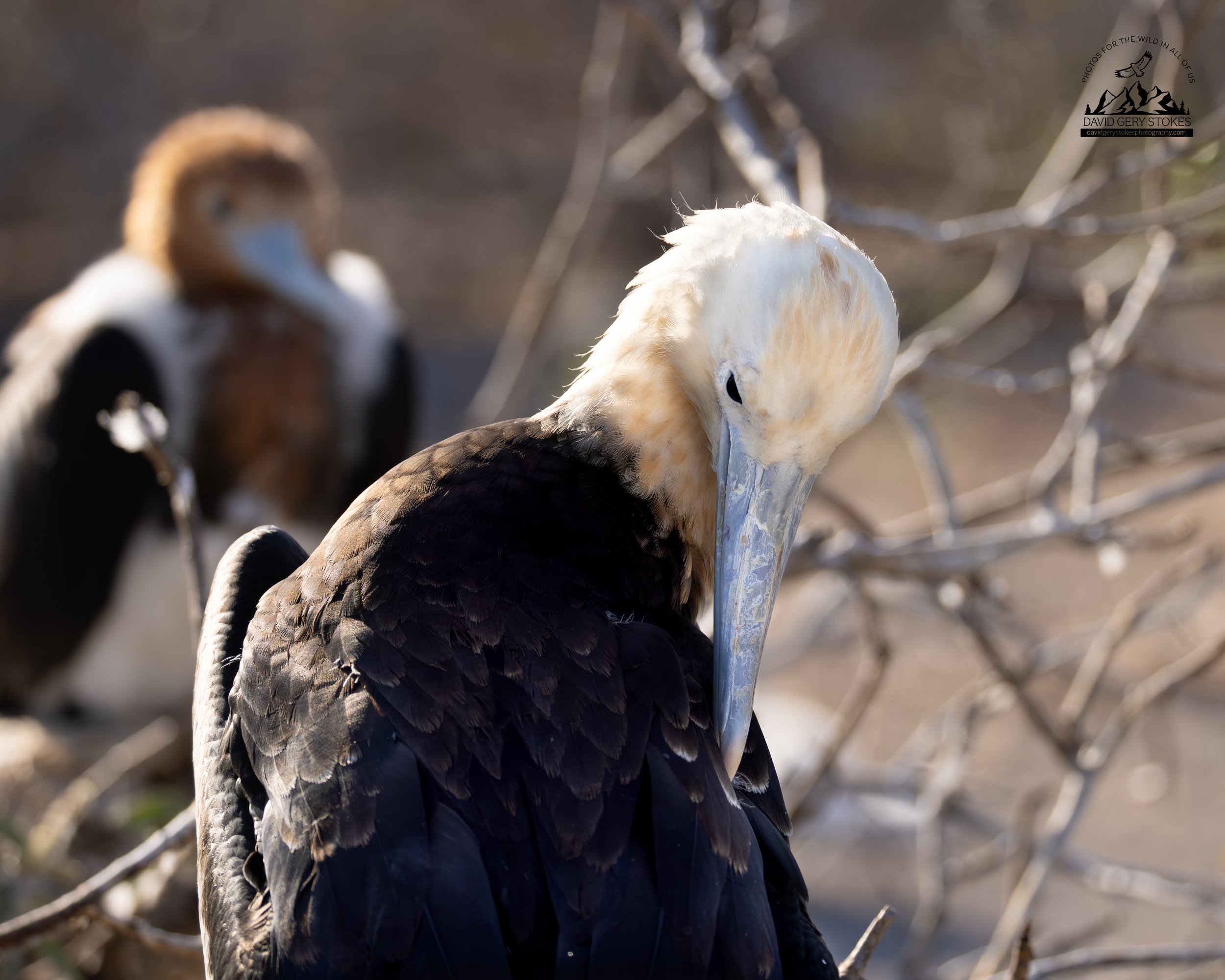
8486 Great Frigatebird
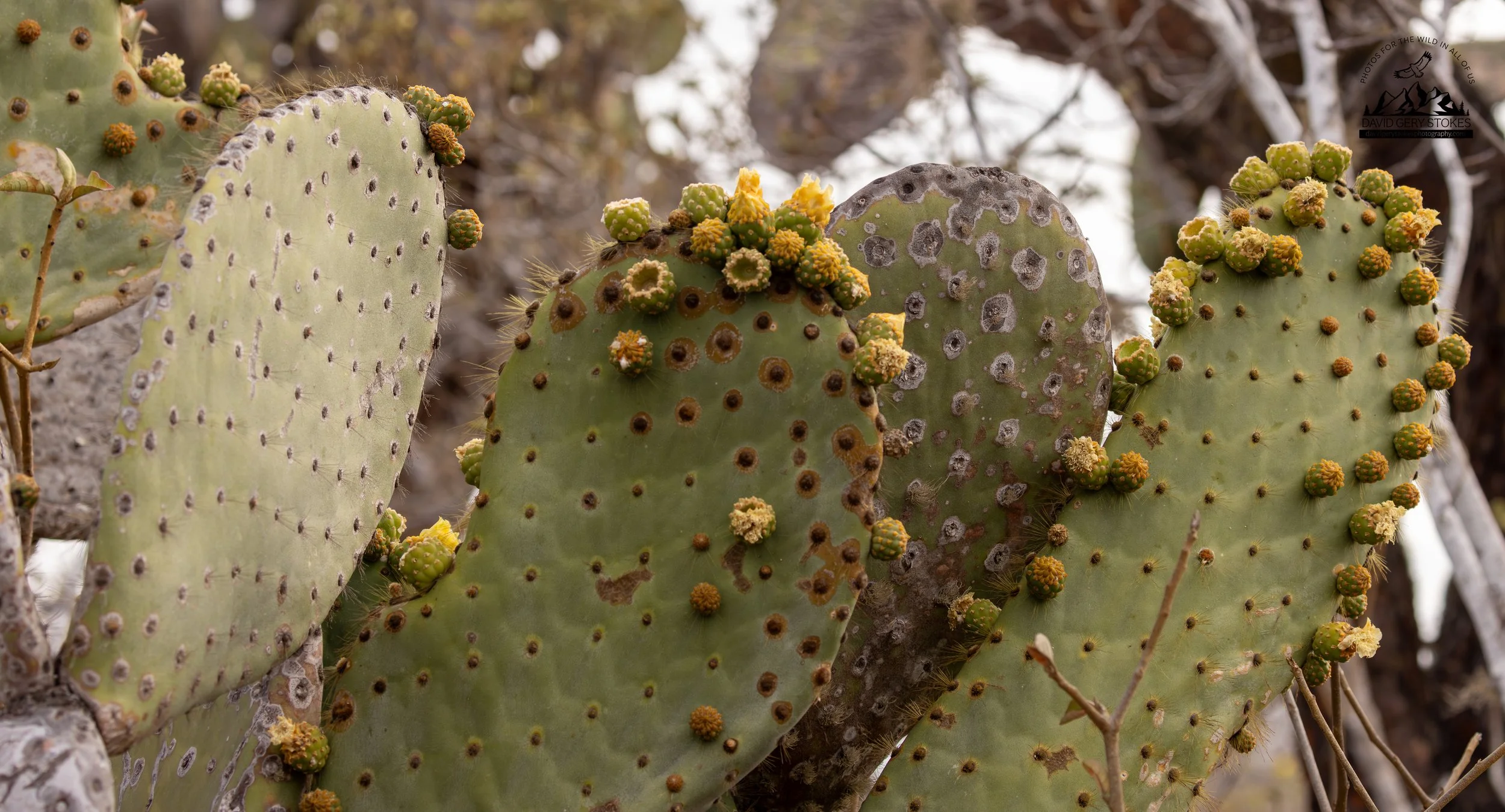
8247 Opuntia galapageia profusa cactus