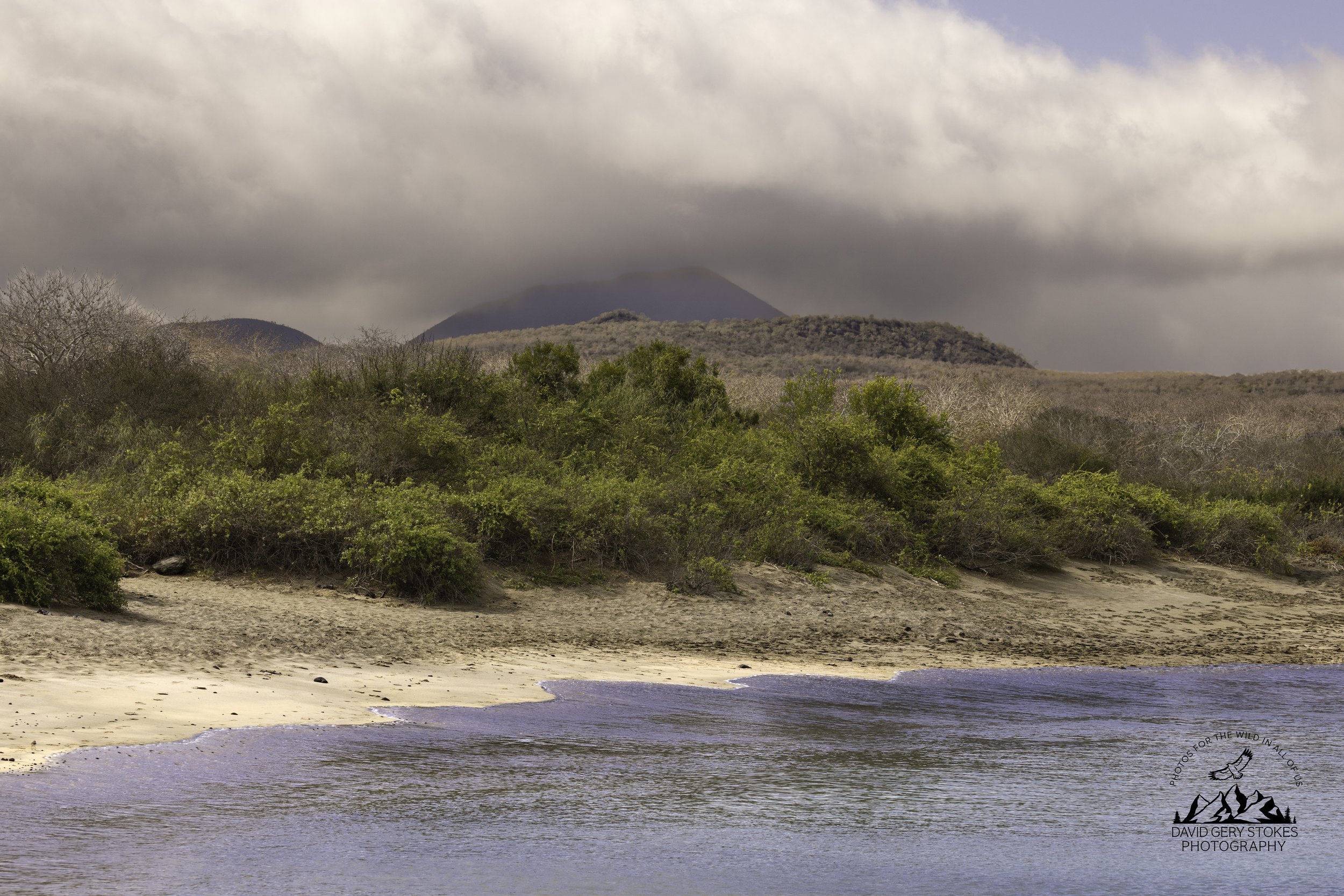
Post Office Bay & Cormorant Point, Floreana Island.
Post Office Bay, located on the northern coast of Floreana Island, is one of the most historically significant and unique visitor sites in the Galápagos. It is famous for its "whaler's post office," a tradition that has survived for over two centuries and remains a highlight for modern travelers.
The Living Post Office
The site is named after a wooden barrel that was placed there in the late 18th century by British whalers. Since the islands lacked a formal postal service, sailors would leave letters in the barrel, and passing ships headed toward the letter's destination would pick them up and deliver them by hand.
Landscape and Geology
Beyond its historical appeal, the bay offers a glimpse into the volcanic origins of Floreana.
Lava Tubes: A short walk from the post office leads to a fascinating lava tube. Visitors can descend into this subterranean cave, often reaching a point where the tube meets the ocean water, creating a cool, dark contrast to the arid surface.
Coastal Arid Zone: The trail around the bay passes through typical low-elevation vegetation, including palo santo trees and incense plants, which provide a stark but beautiful backdrop.
Wildlife
While primarily known for its history, the bay and its surrounding waters are home to iconic Galápagos species.
Snorkeling and Swimming: The calm waters of the bay are excellent for snorkeling. It is common to encounter curious sea lions, Pacific green sea turtles, and even the occasional Galápagos penguin.
Marine Iguanas: Like many coastal sites in the archipelago, the rocky areas near the shore are often dotted with marine iguanas basking in the sun.
Punta Cormorant is one of the most popular and diverse visitor sites on Floreana Island, known for its unique geological features and its status as a premier birdwatching destination. The site offers two distinct beaches with strikingly different sand compositions, separated by a large mangrove-fringed lagoon.
Landscape and Unique Geology
The area is characterized by its contrasting coastal environments and volcanic history.
Green Sand Beach: The landing site features a beach with a distinct olive-green tint caused by a high concentration of olivine crystals, which are volcanic silicates.
Flour Beach: A short walk across the isthmus leads to a starkly different beach made of fine, white coral sand that feels as soft as flour.
Flamingo Lagoon: Between the two beaches lies a large saltwater lagoon that serves as one of the best spots in the archipelago to observe flamingos.
Wildlife
The nutrient-rich waters and sheltered lagoons attract a wide variety of endemic and migratory species.
American Flamingos: Visitors can frequently see these vibrant birds wading in the brackish lagoon, filtering the water for shrimp.
Sea Turtle Nesting: Flour Beach is a major nesting site for Pacific green sea turtles from December to March; you can often see the "tractor" tracks left in the sand by females at dawn.
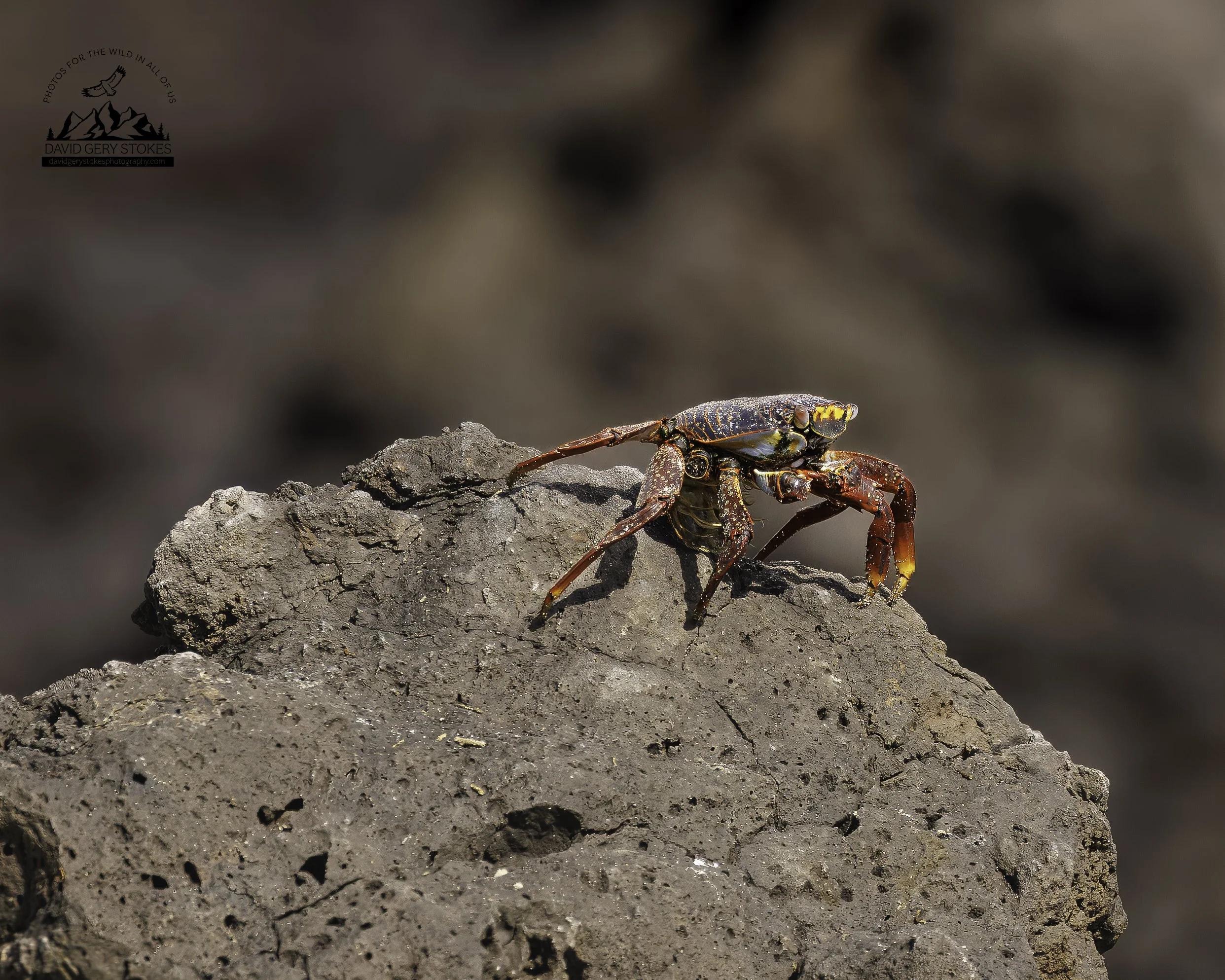
3461 Hairy Rock Crab
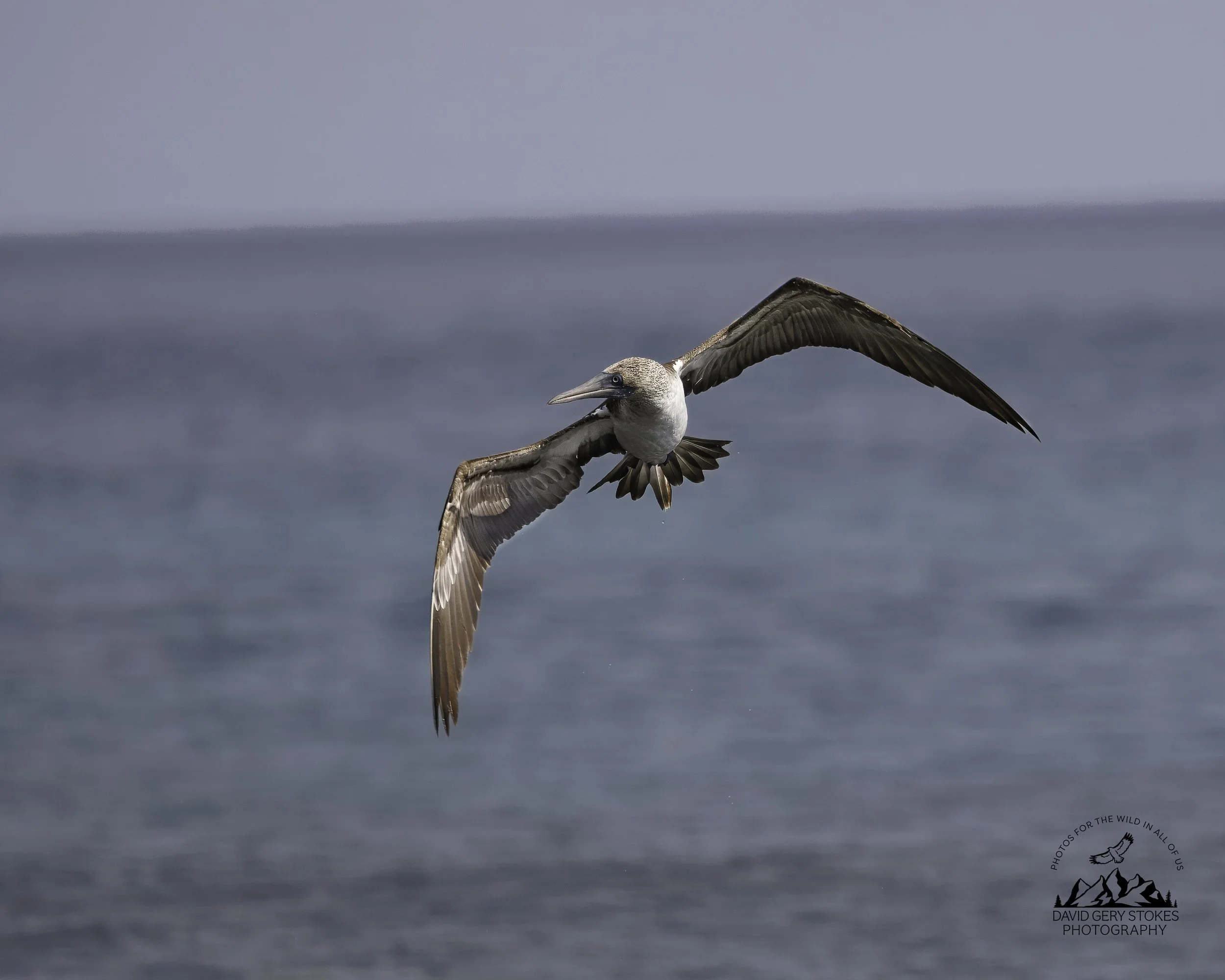
3472 Blue Footed Booby
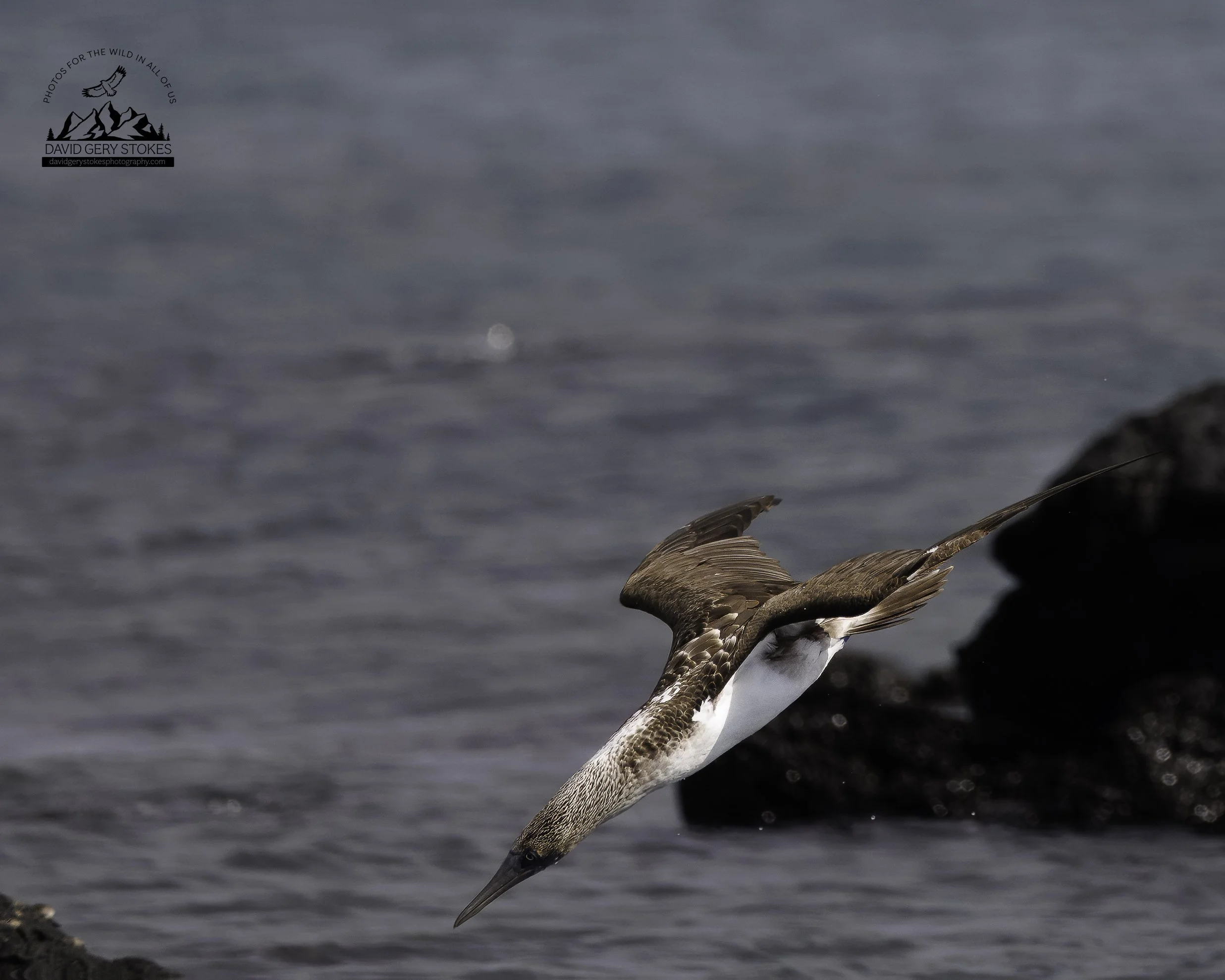
3477 Blue Footed Booby Dive
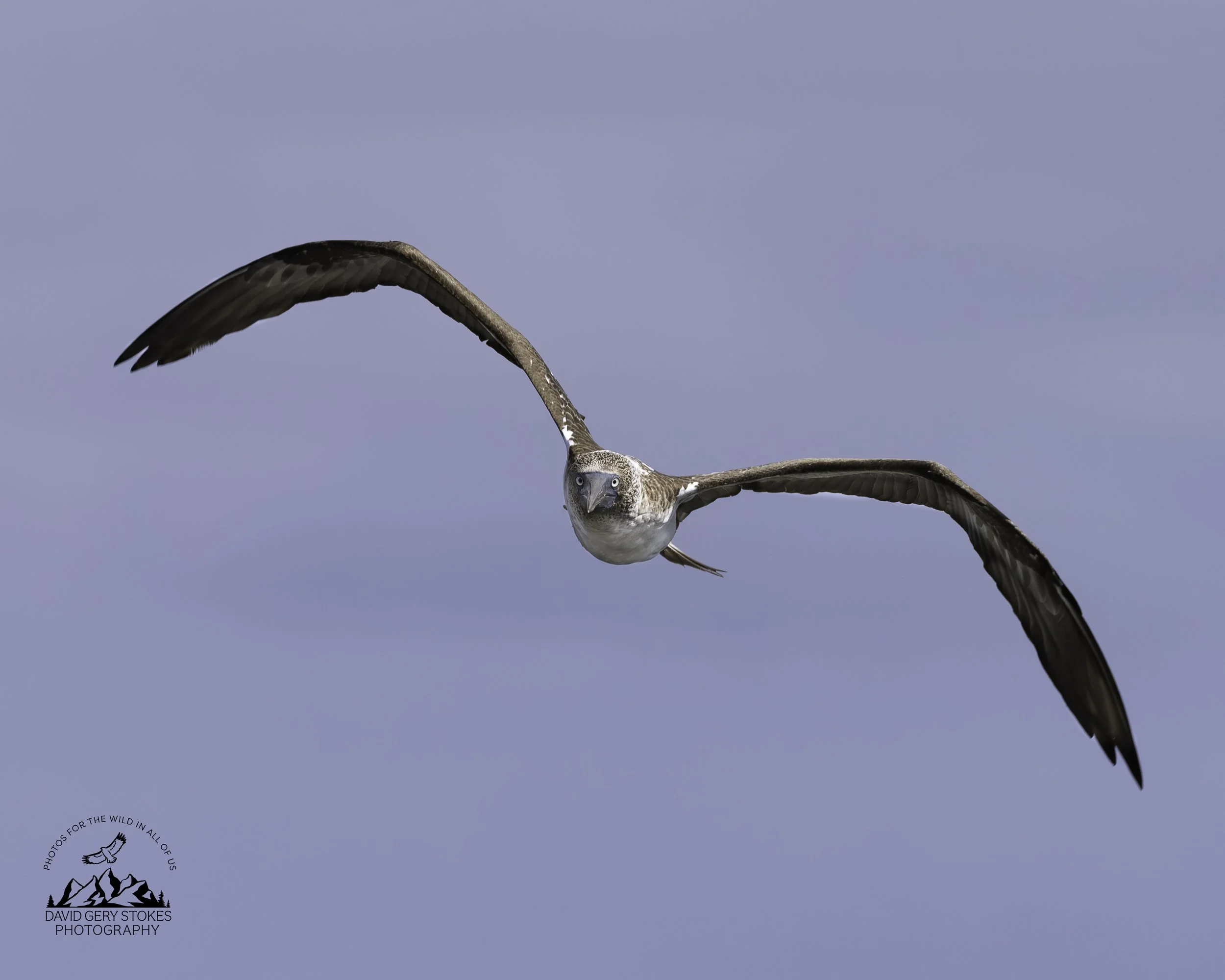
3496 Blue Footed Booby
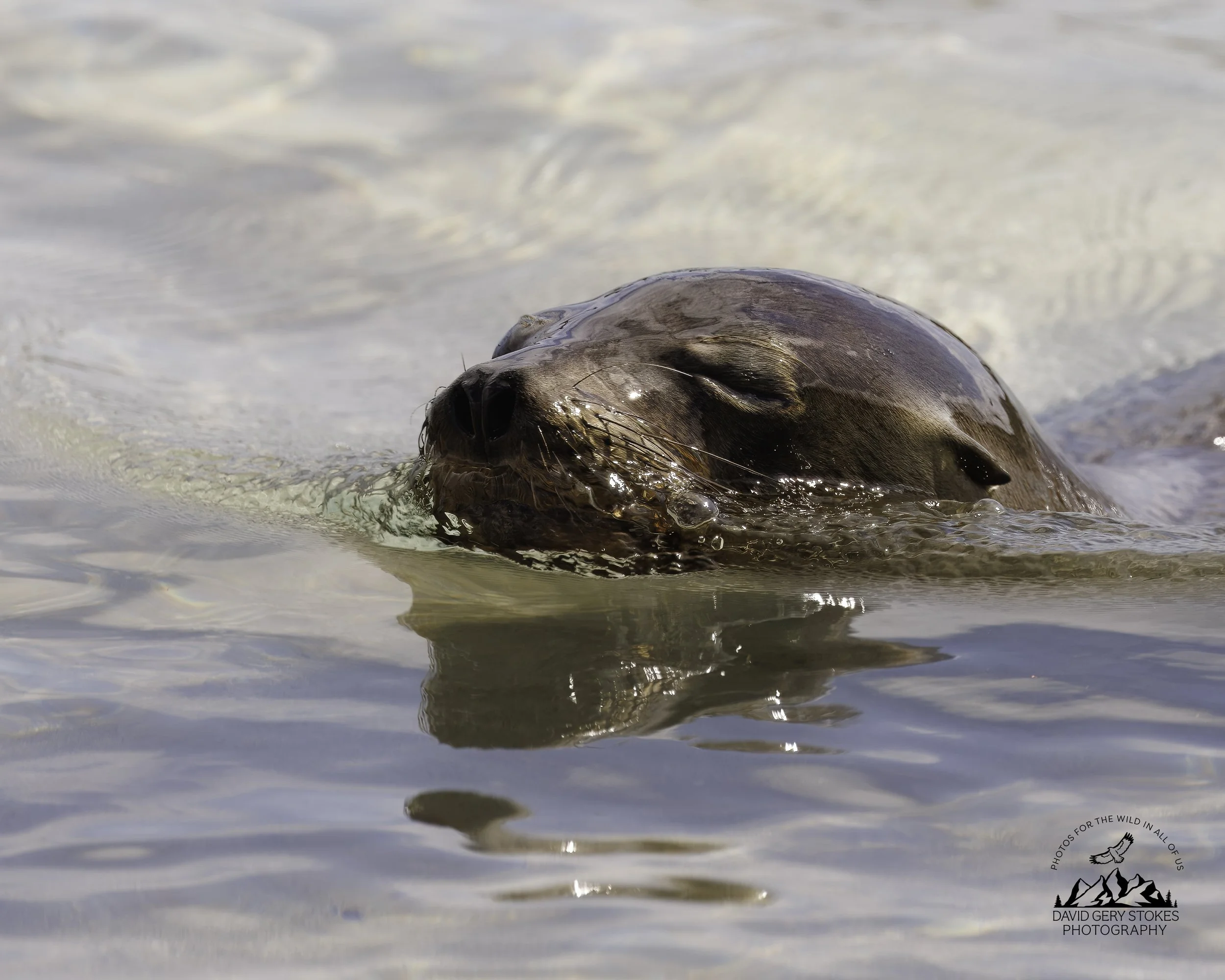
3527 Sea Lion
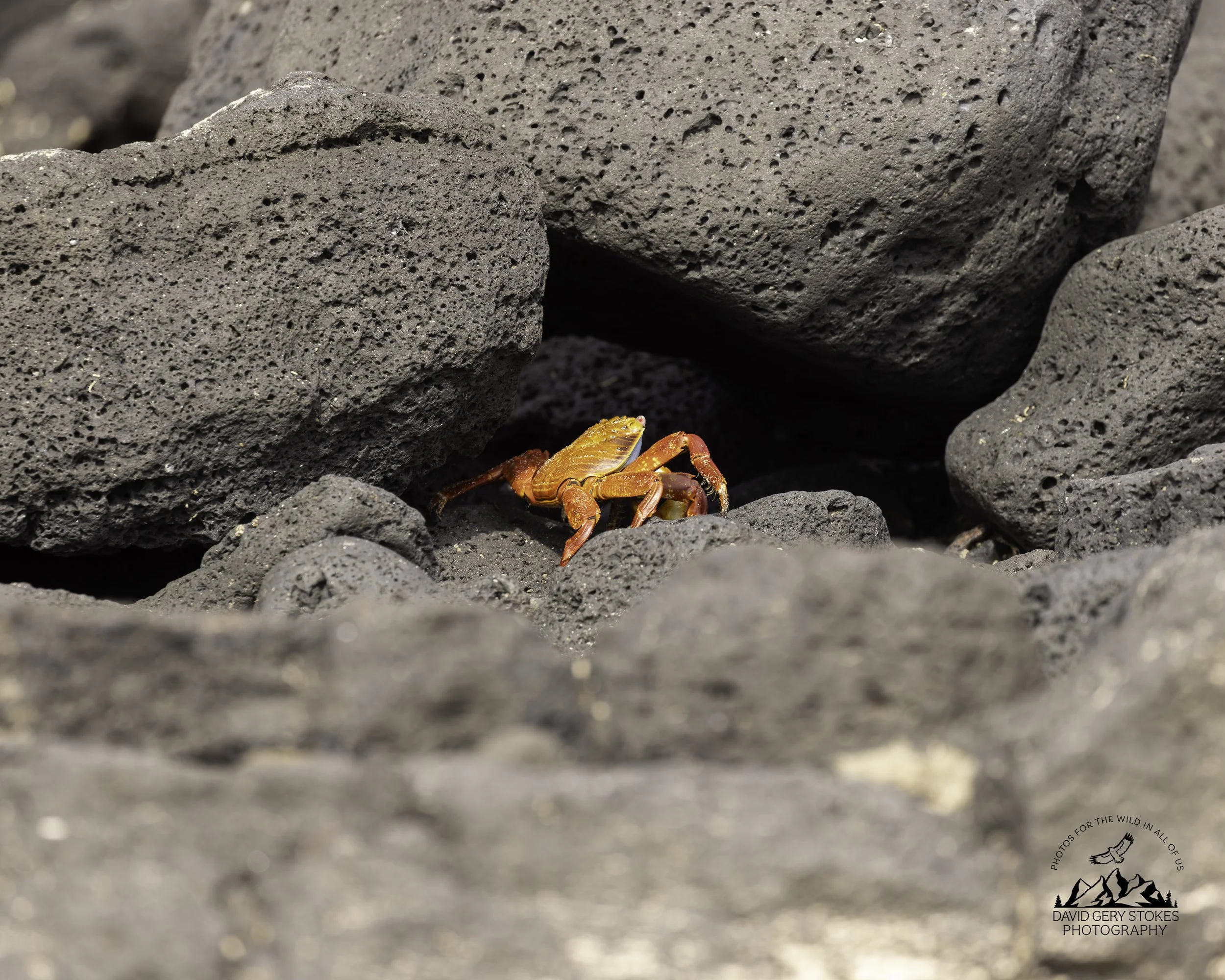
3678 Sally Lightfoot Crab
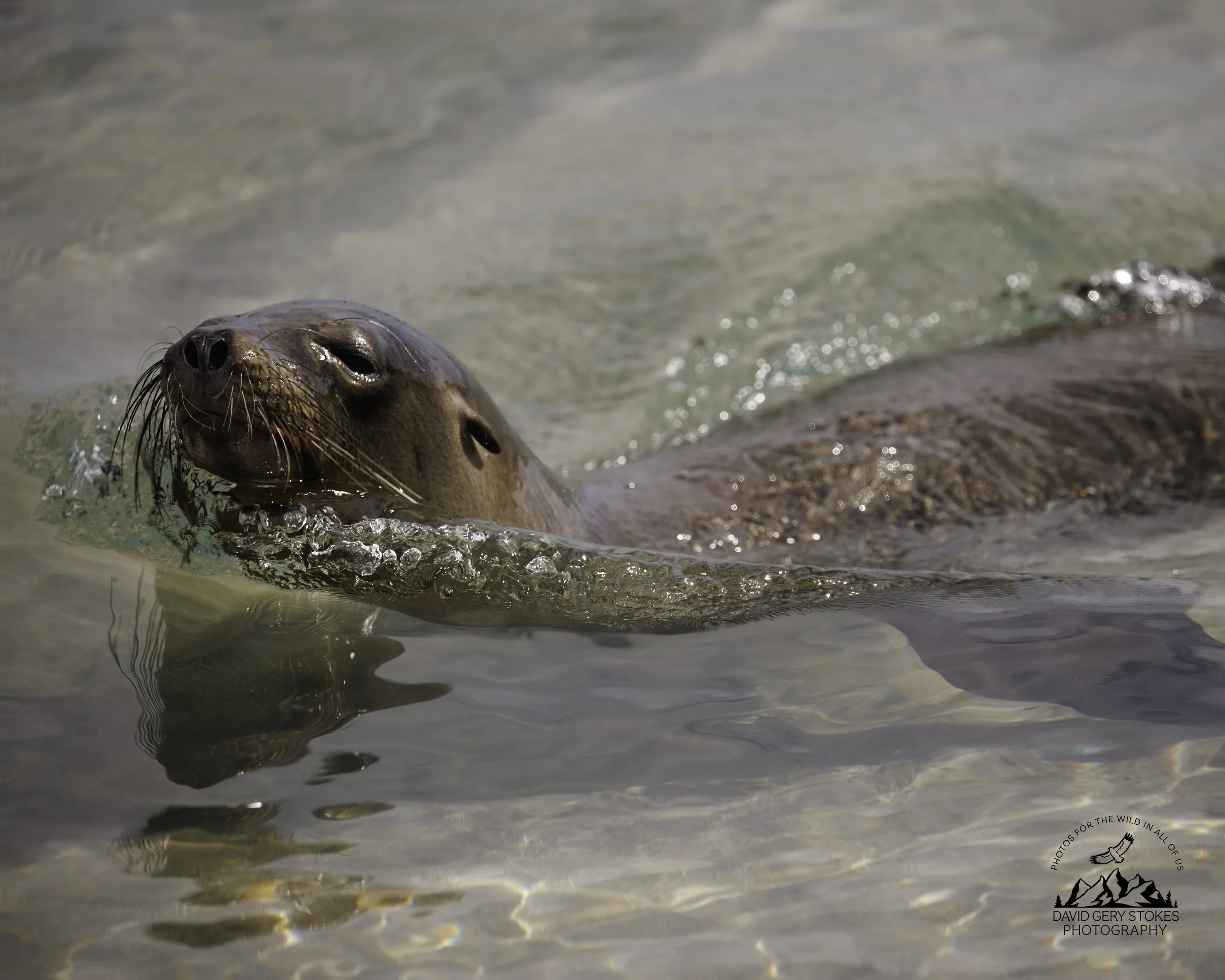
3552 Sea Lion
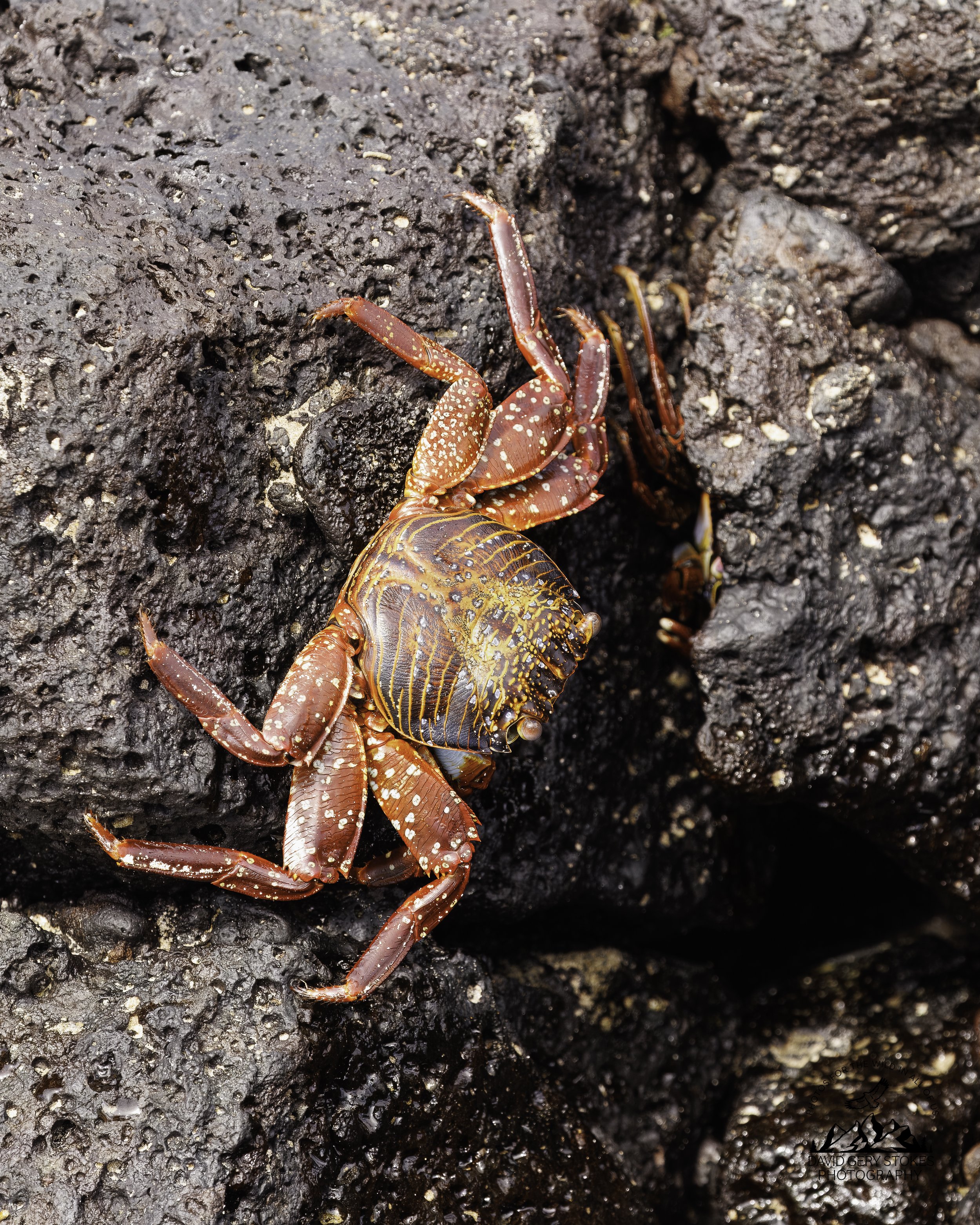
3661 Sally Lightfoot Crab
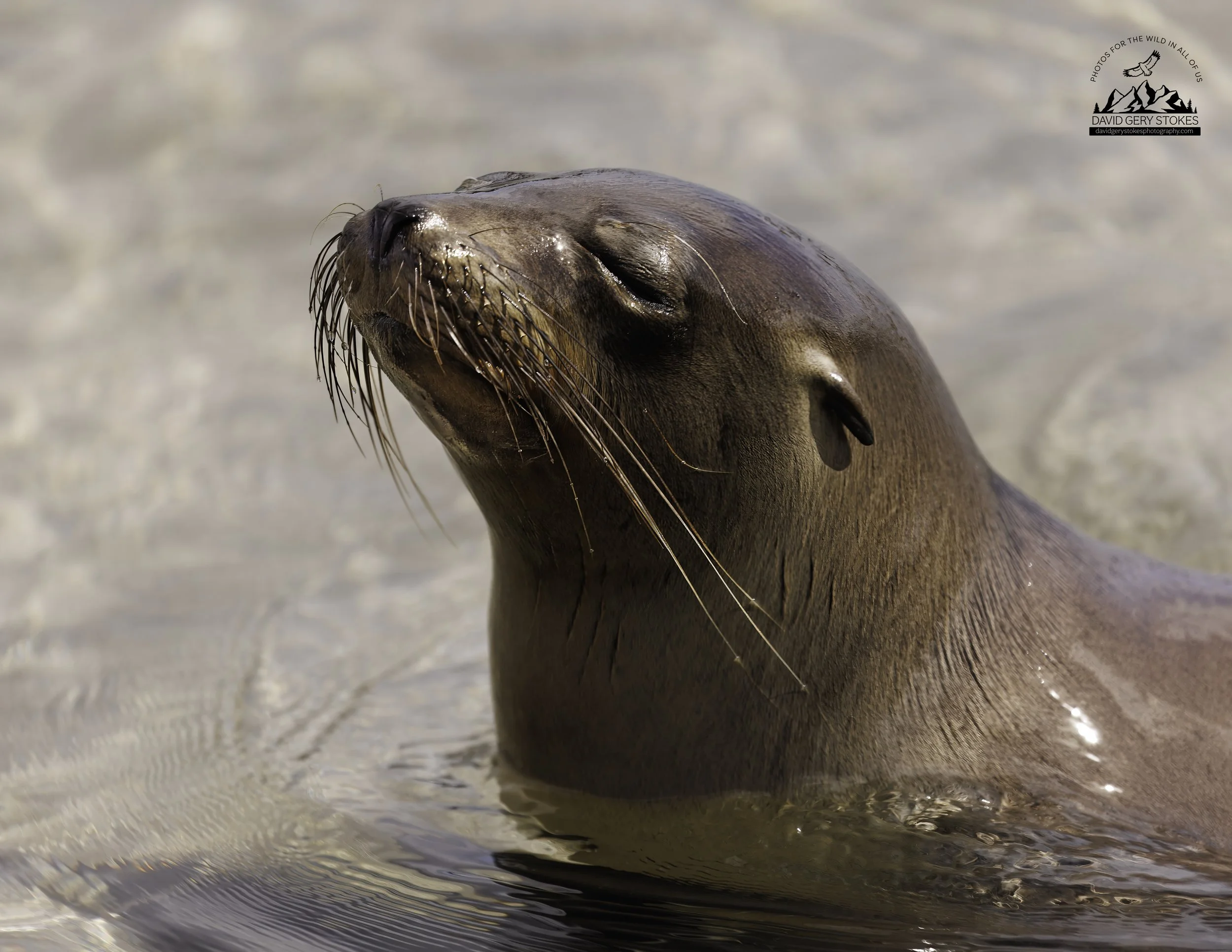
3574 Sea Lion
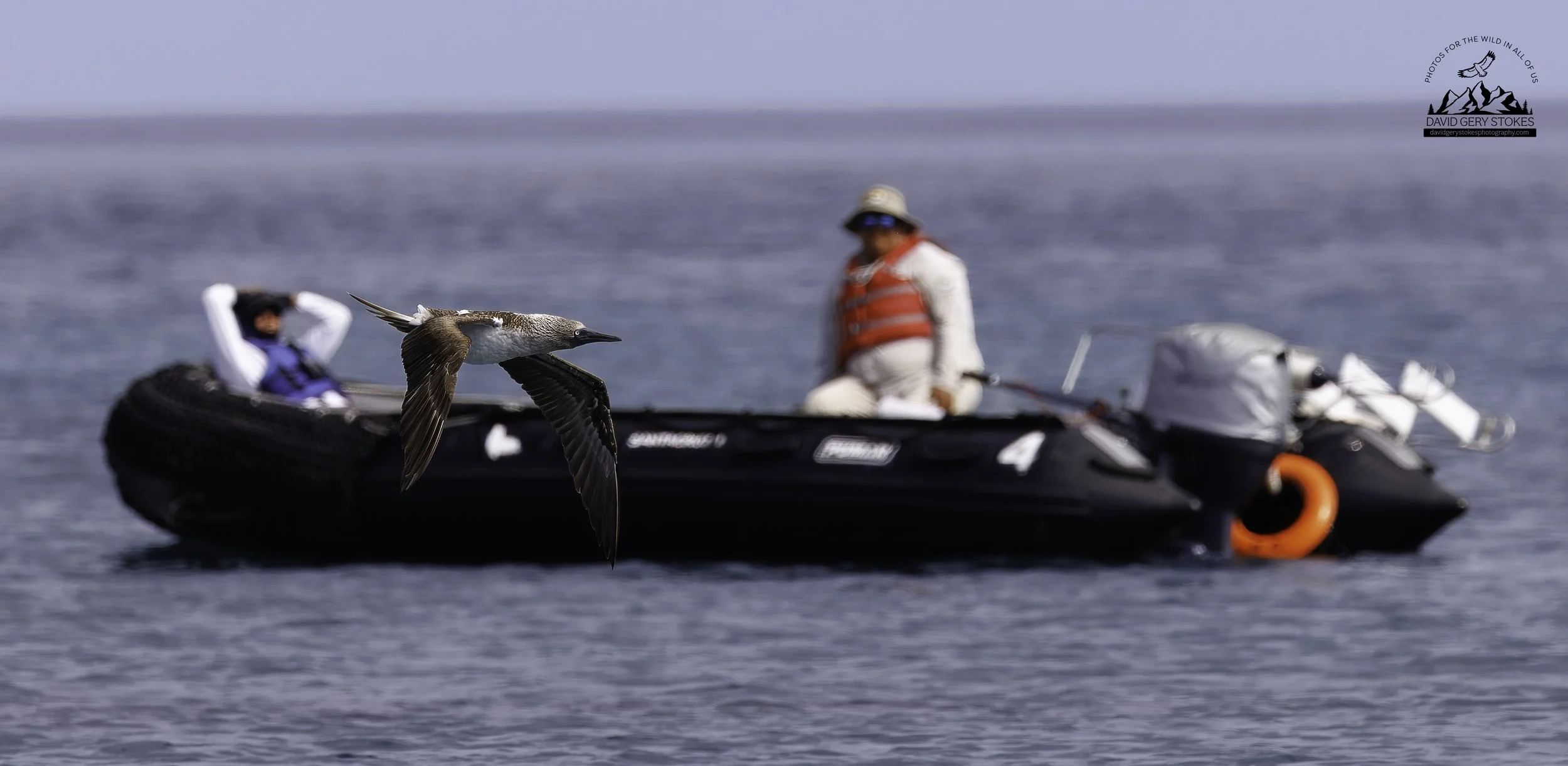
3599 Blue Footed Booby and our Naturalist
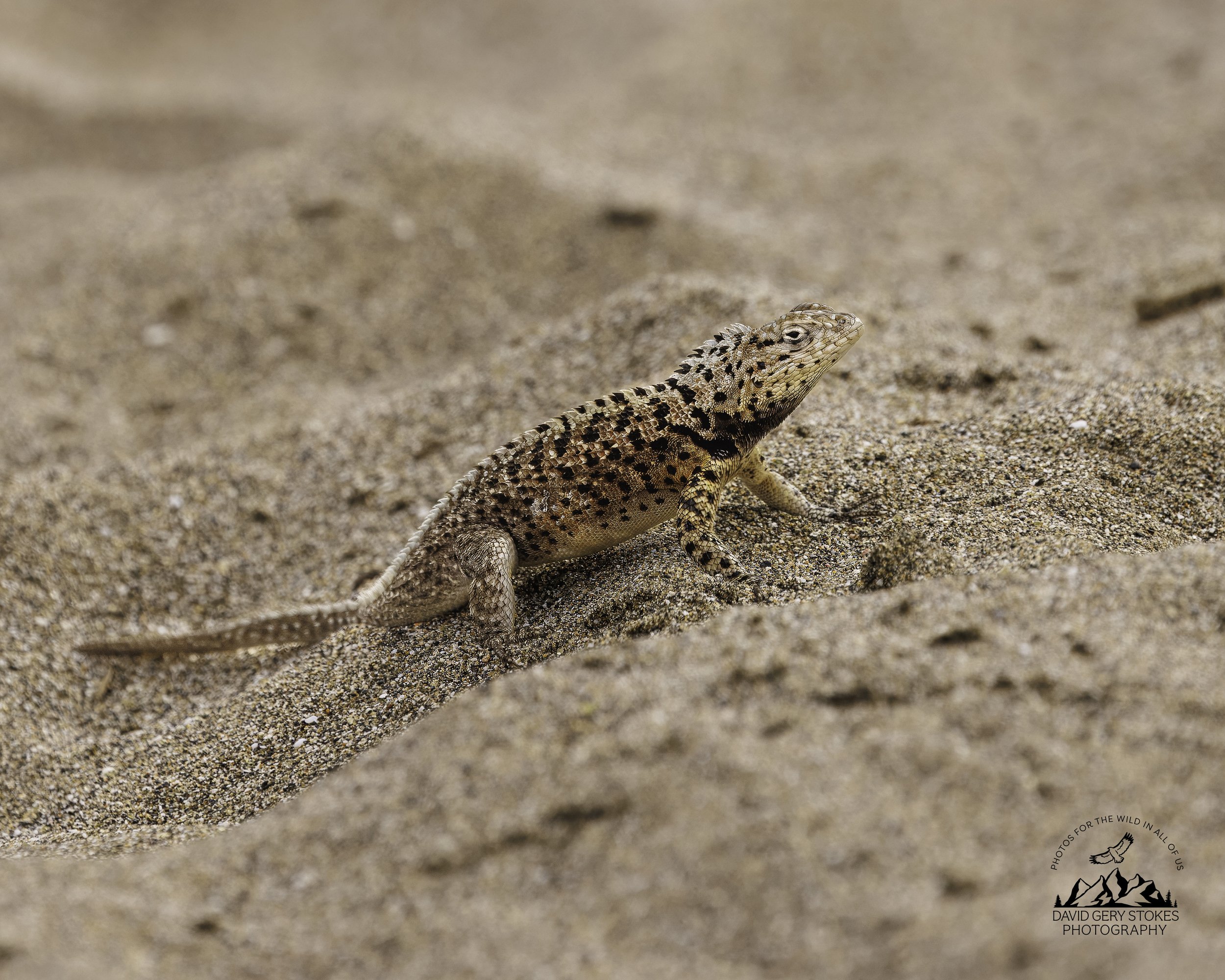
3729 Lava Lizard
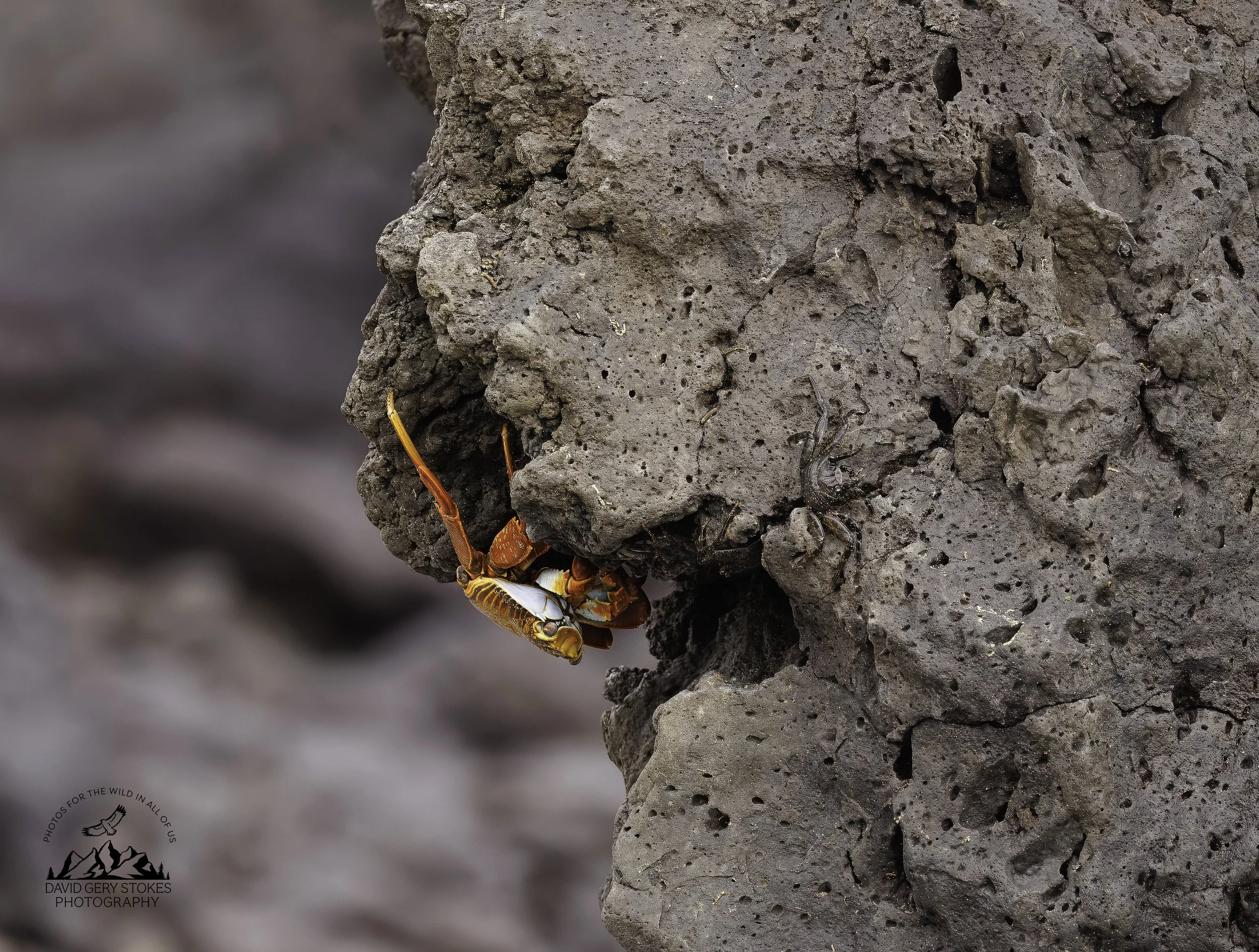
3741 Sally Lightfoot Crab
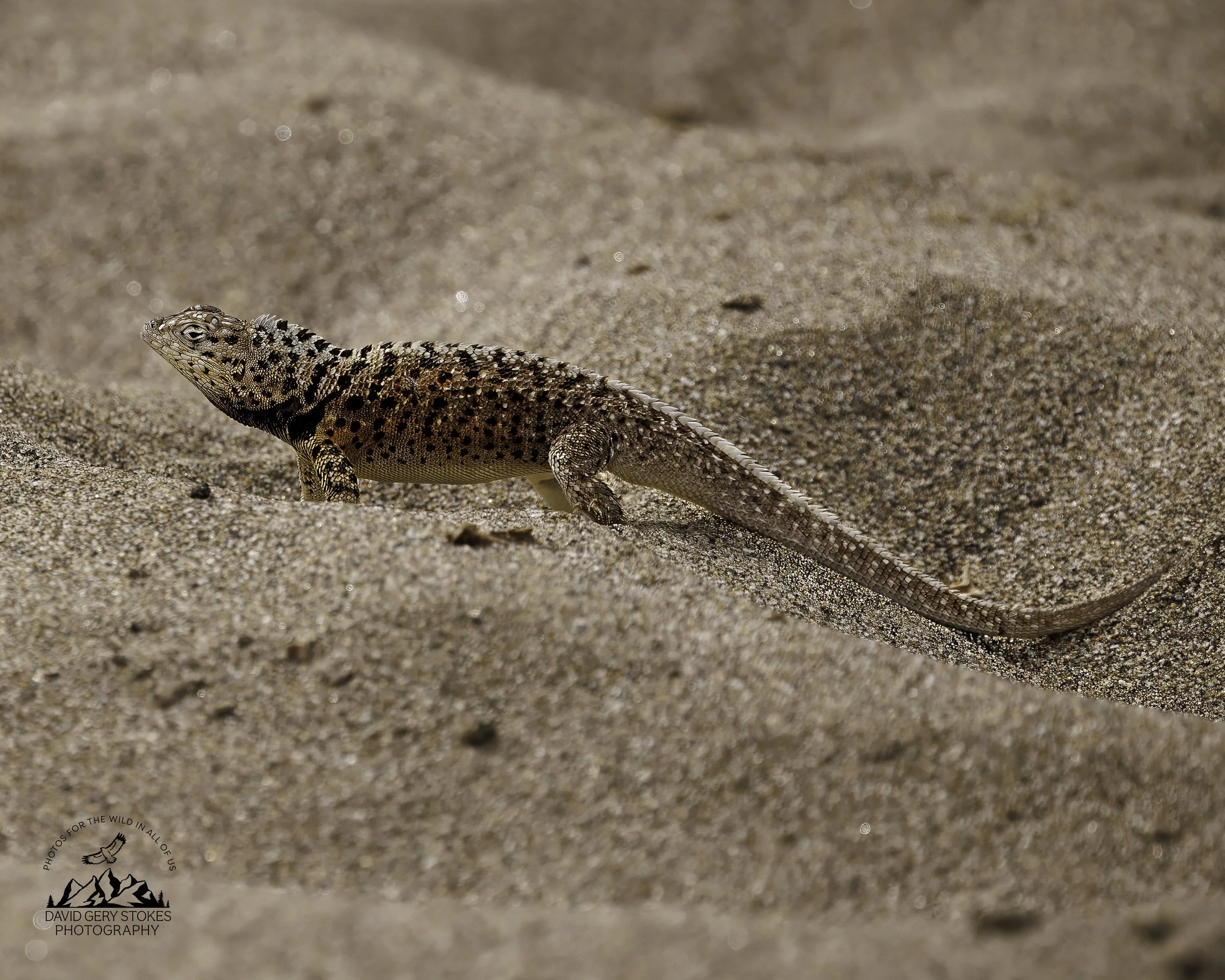
3703 Lava Lizard
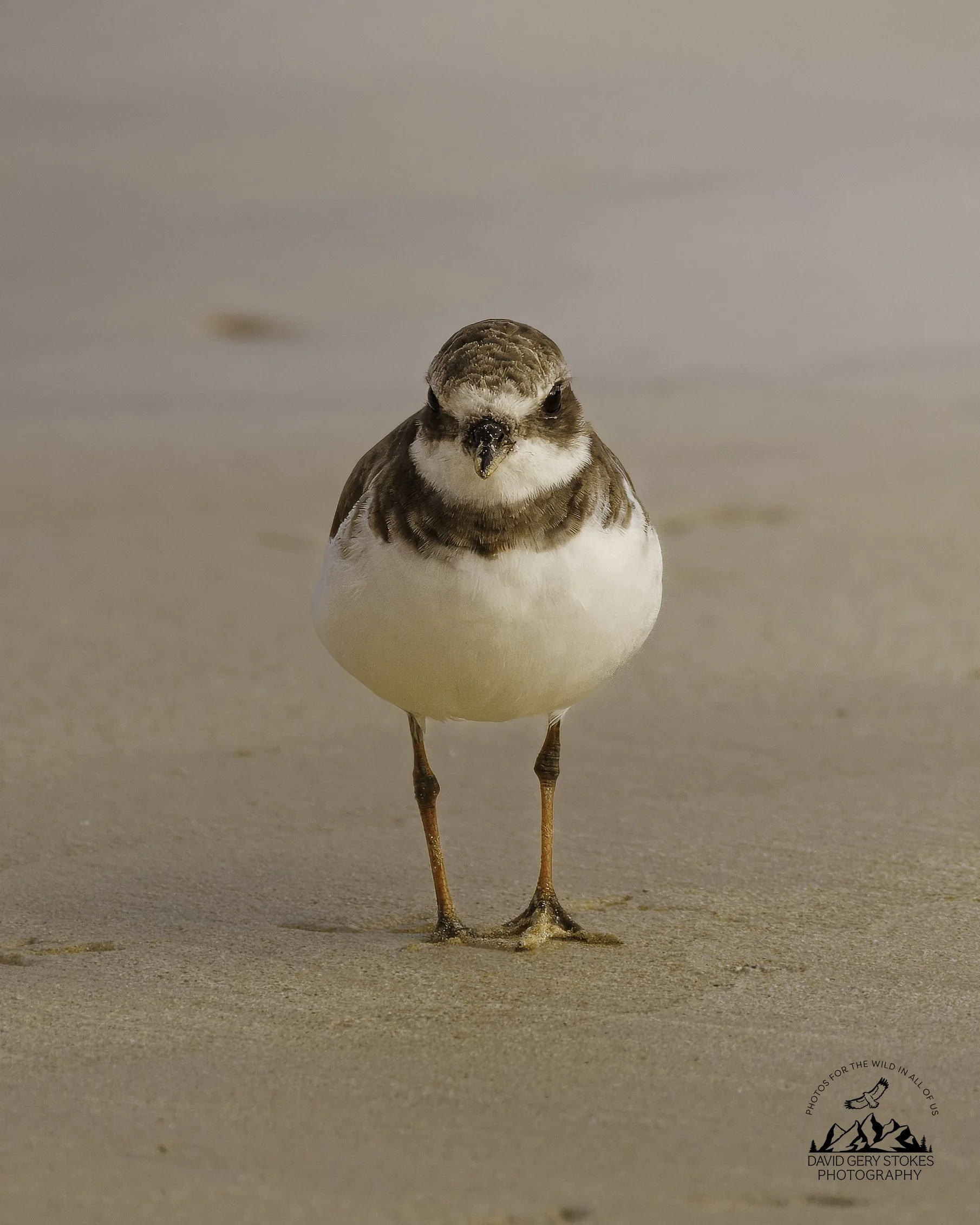
3848 Semi Plover
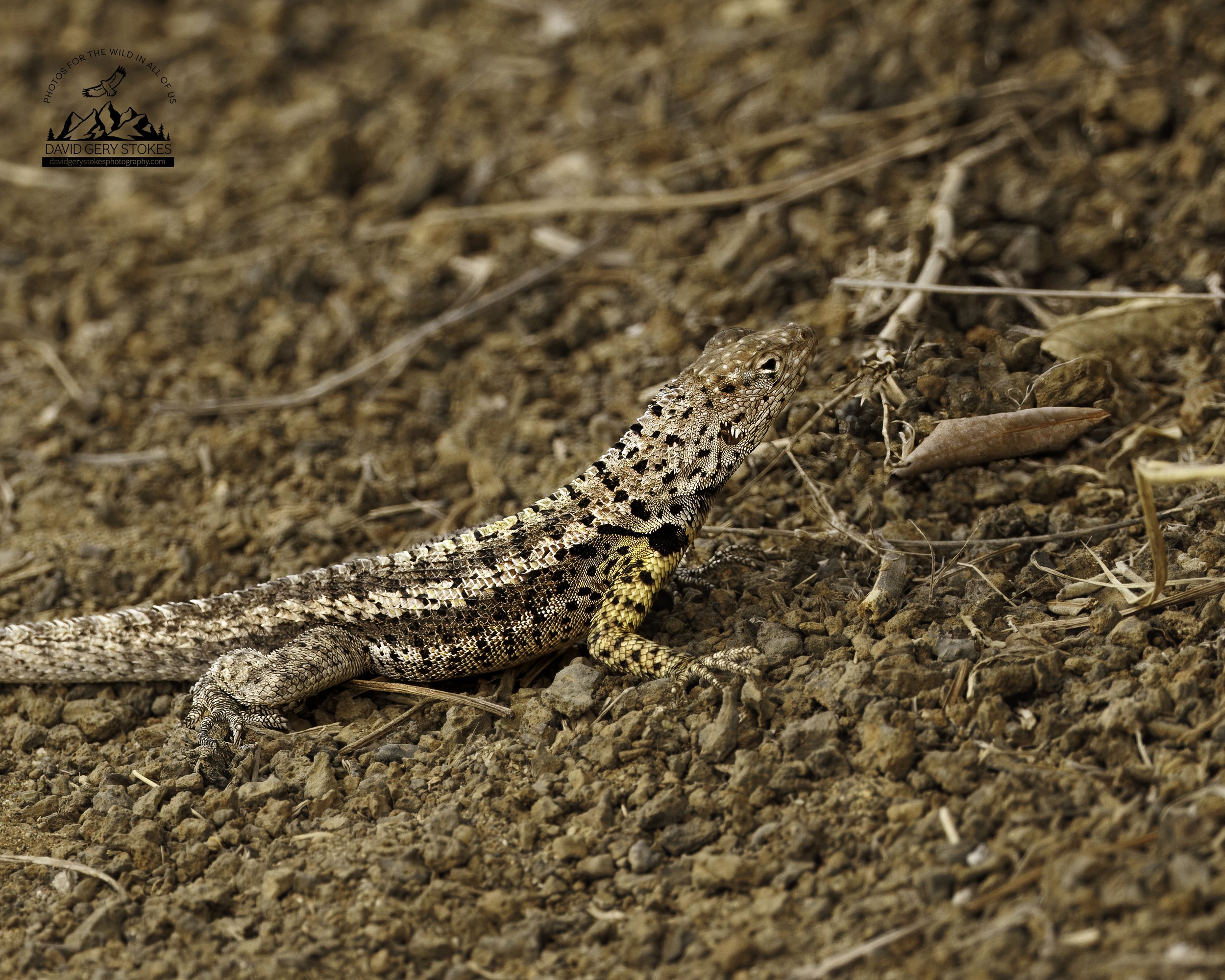
3817 Lava Lizard

3926 Sea Turtle
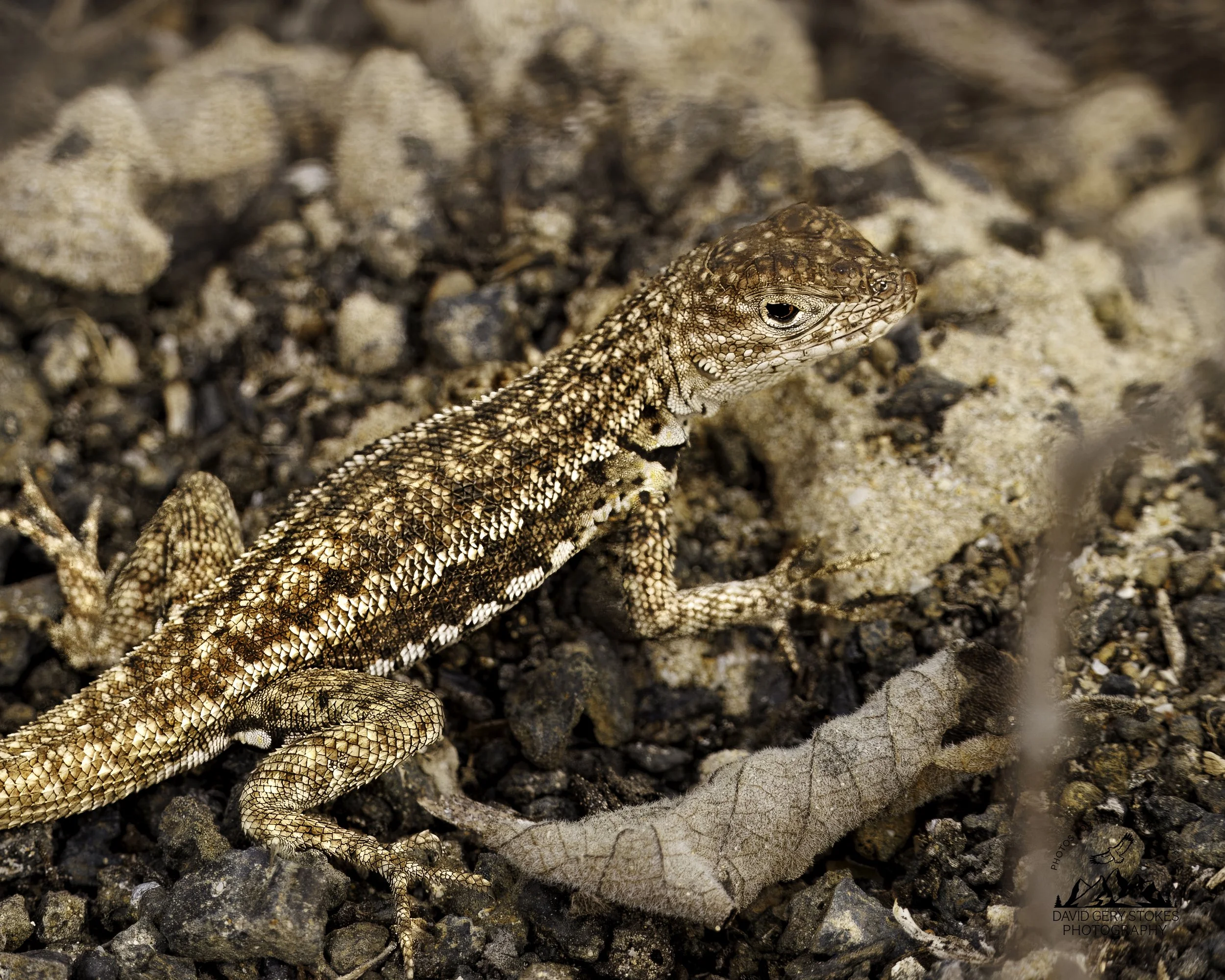
3822 Lava Lizard