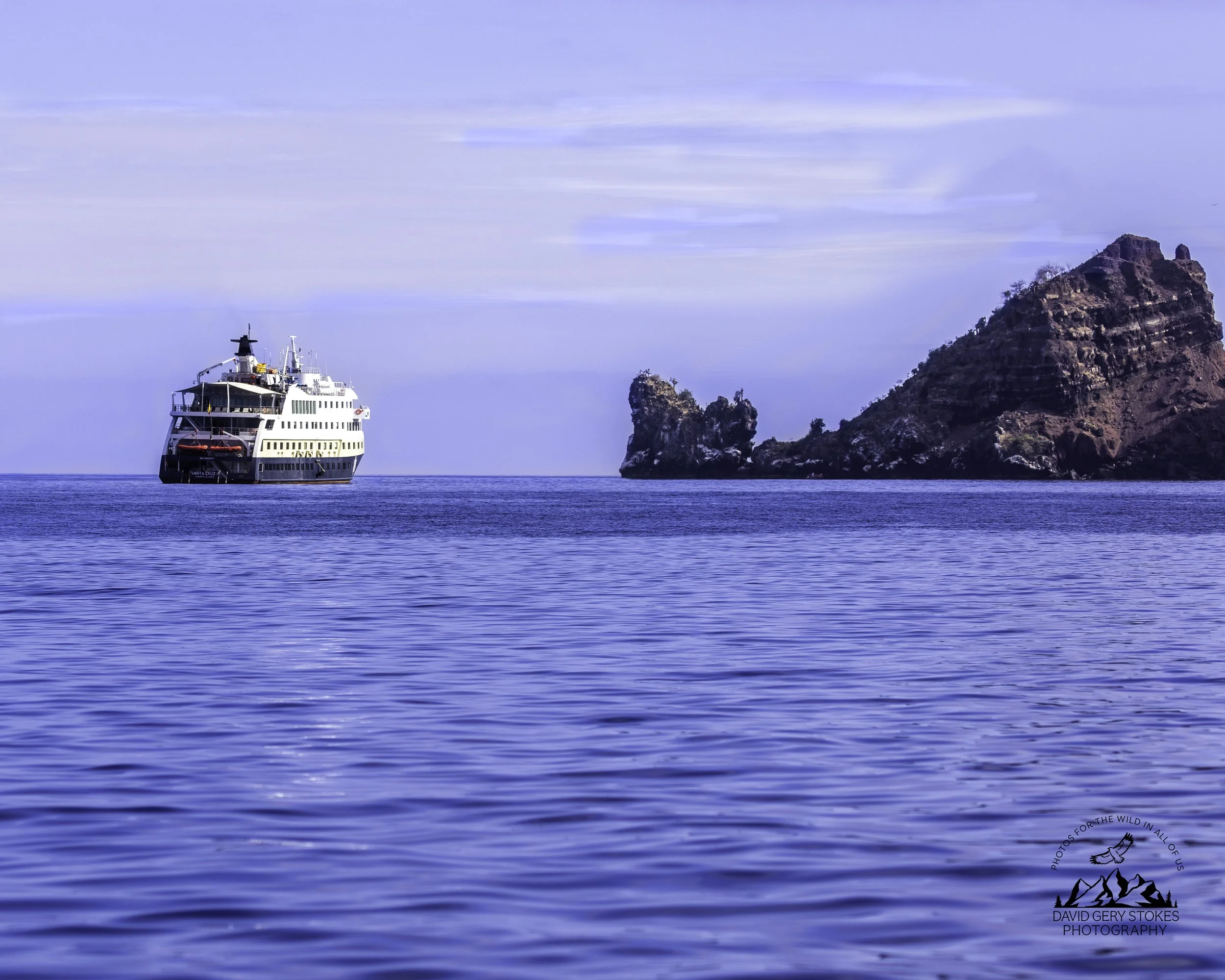
Buccaneer Cove, Santiago Island
Buccaneer Cove is a historically rich and geologically dramatic site on the northwestern coast of Santiago Island. It is famously named for its past as a sanctuary where 17th and 18th-century pirates, privateers, and whalers would anchor to seek fresh water, tortoises for meat, and shelter while careening their ships. Today, it is a peaceful wilderness known for its towering red tuff cliffs and vibrant marine life.
Dramatic Geology and Coastal Scenery
The cove is a masterclass in volcanic erosion, featuring steep cliffs that have been sculpted by wind and sea into fantastic shapes.
Tuff Formations: The cliffs are made of layers of volcanic ash and tuff, showing intricate patterns of erosion. One of the most famous shapes is the "Praying Monk," a natural silhouette visible from the water.
Volcanic Beaches: The area features dark sand beaches and deep red tuff cliffs that stand roughly 50 meters high, providing a protective barrier for the cove.
Eroded Arches: Wave action has carved arches and caves into the base of the cliffs, which now serve as shaded resting spots for the island's wildlife.
Wildlife and Birdwatching
Because of the steep, inaccessible cliff faces, the cove is a thriving rookery for many of the archipelago’s iconic seabirds.
Nesting Seabirds: The ledges of the tuff cliffs are filled with hundreds of birds, including swallow-tailed gulls, blue-footed boobies, Nazca boobies, and pelicans.
Shore Birds: Along the coastline, you can often spot lava herons, yellow-crowned night herons, and American oystercatchers hunting in the tide pools.
Mammals: The rocky outcrops and shaded caves are prime territory for both Galápagos sea lions and the more elusive Galápagos fur seals, who prefer the cooler, shaded lava grottos.
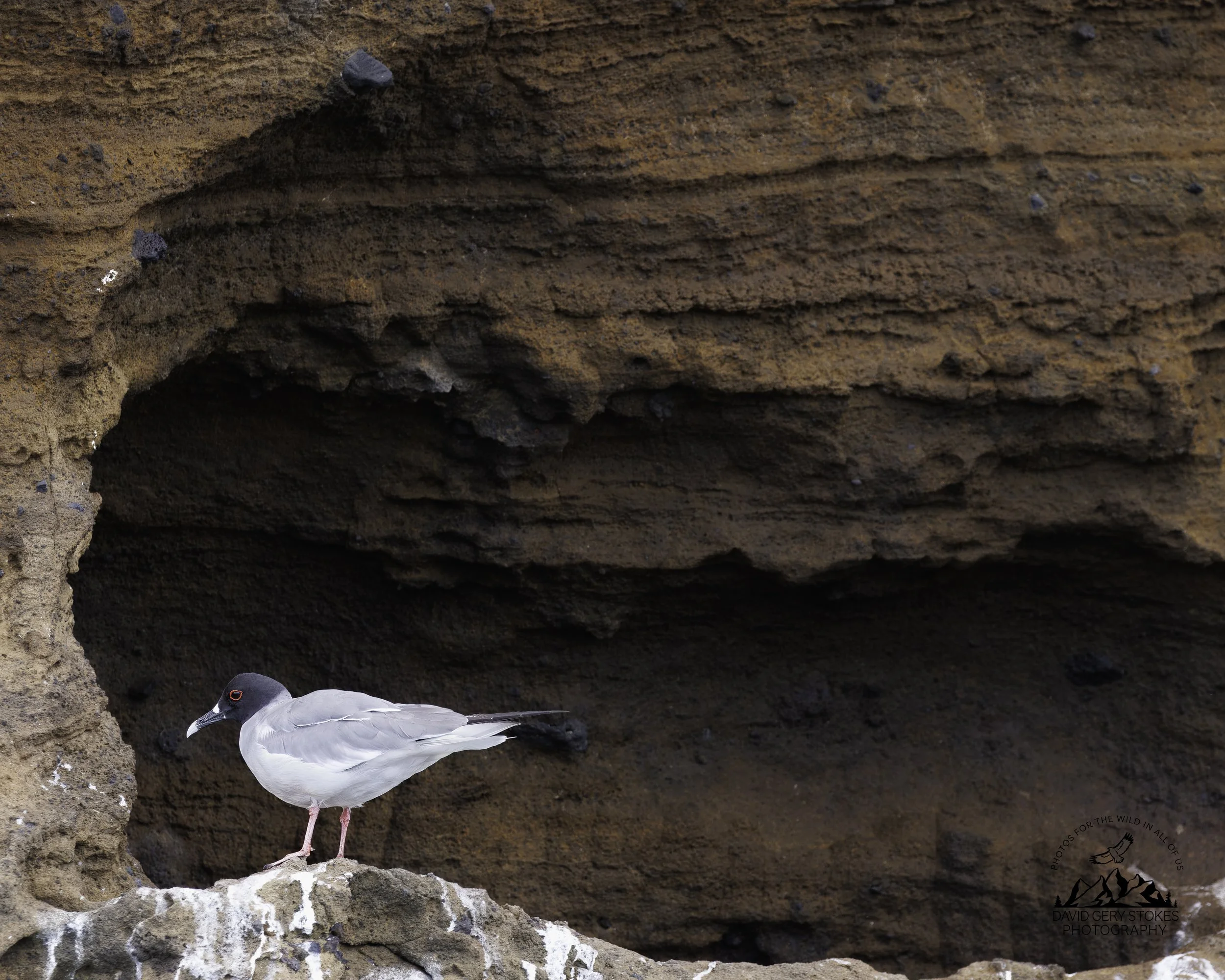
5163 Swallow-tailed Gull
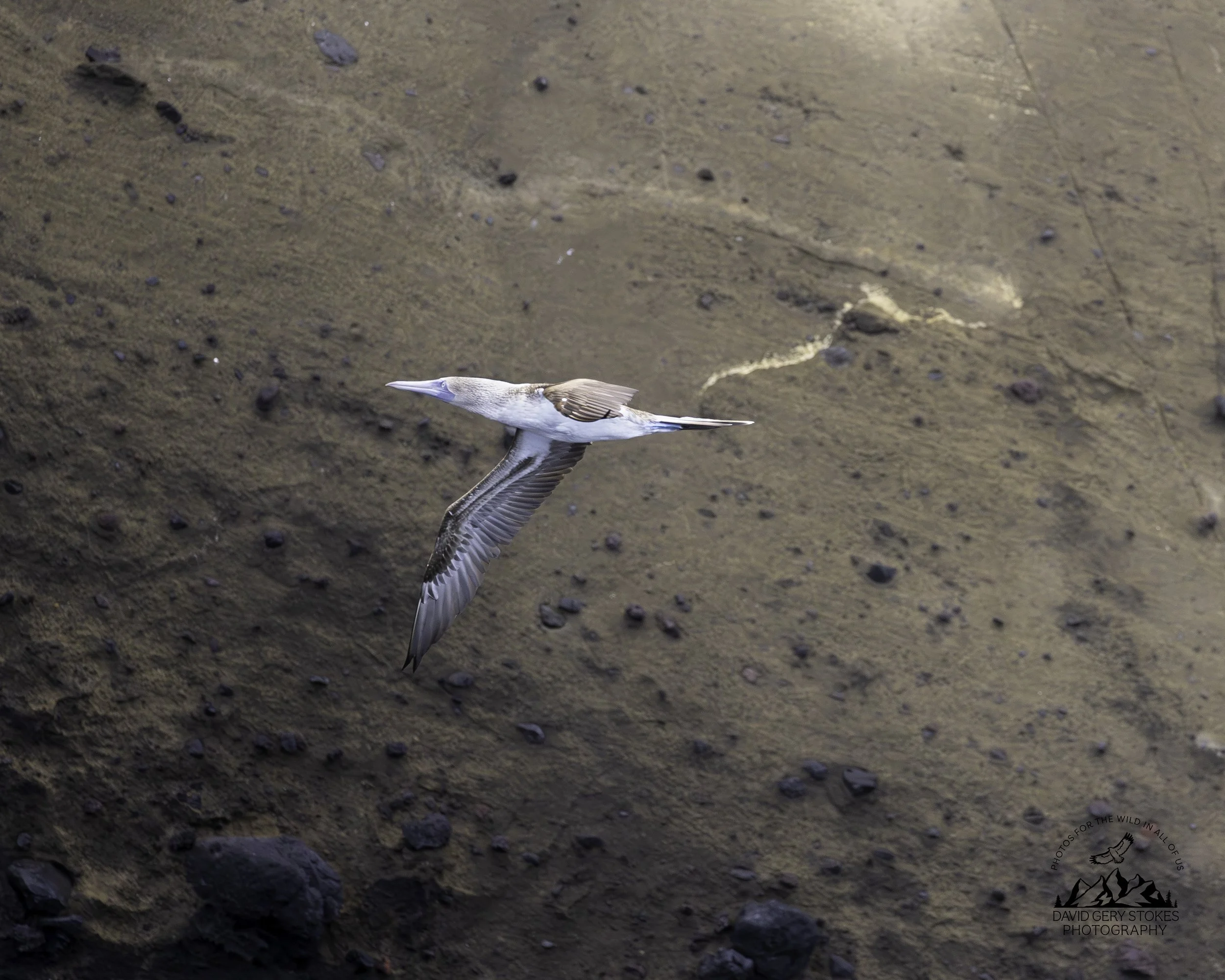
5222 Blue Footed Booby
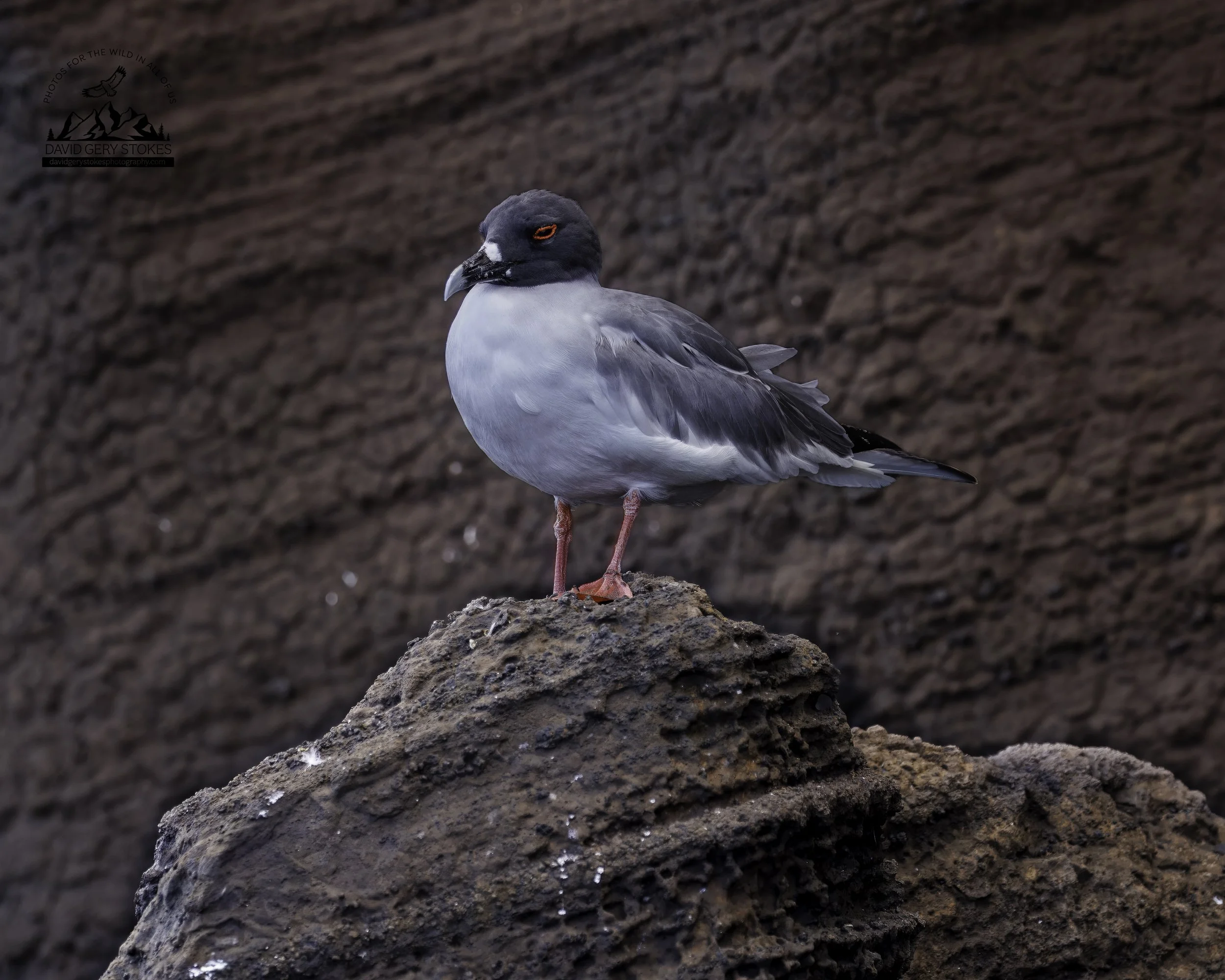
5290
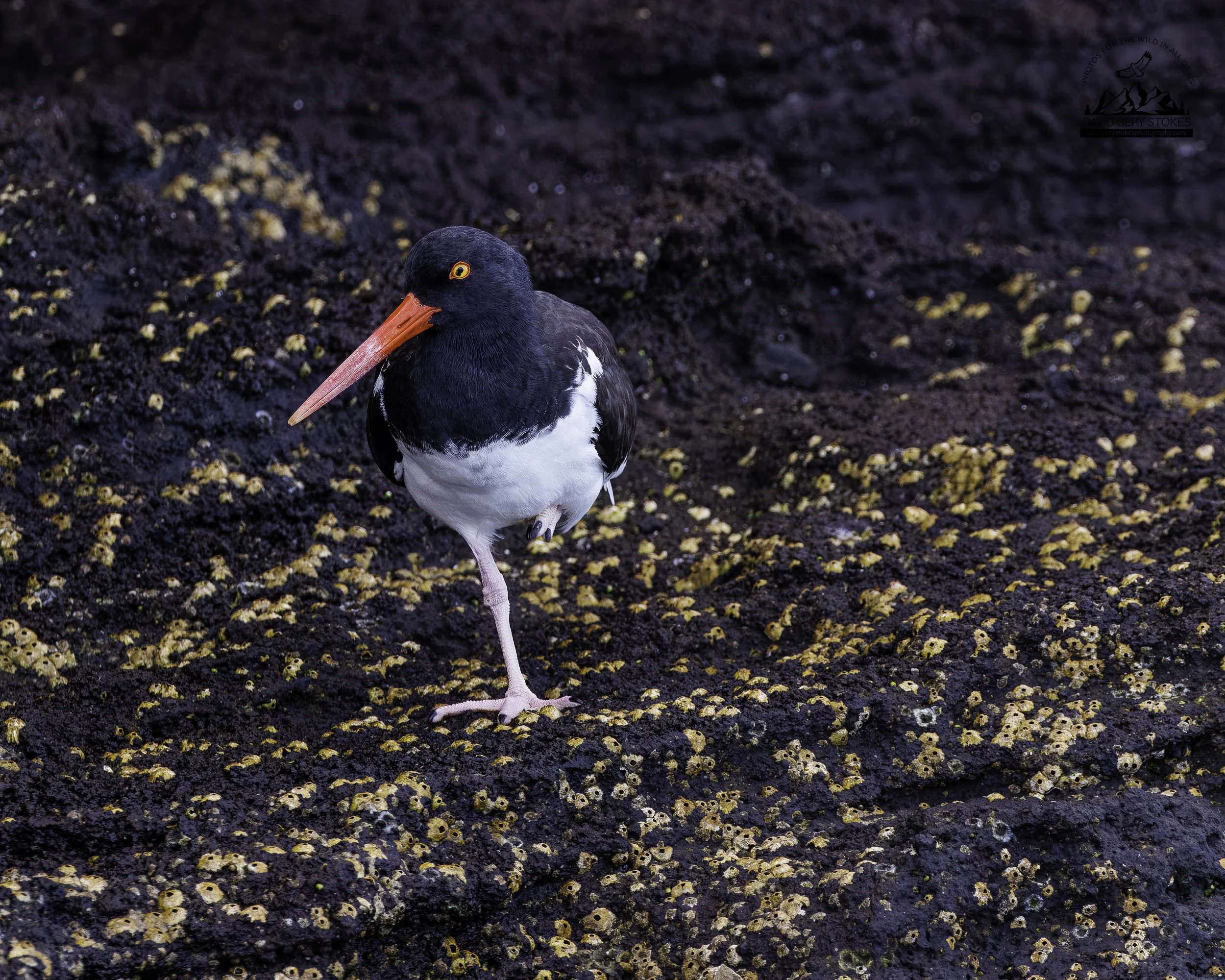
5340 Oyster Catcher
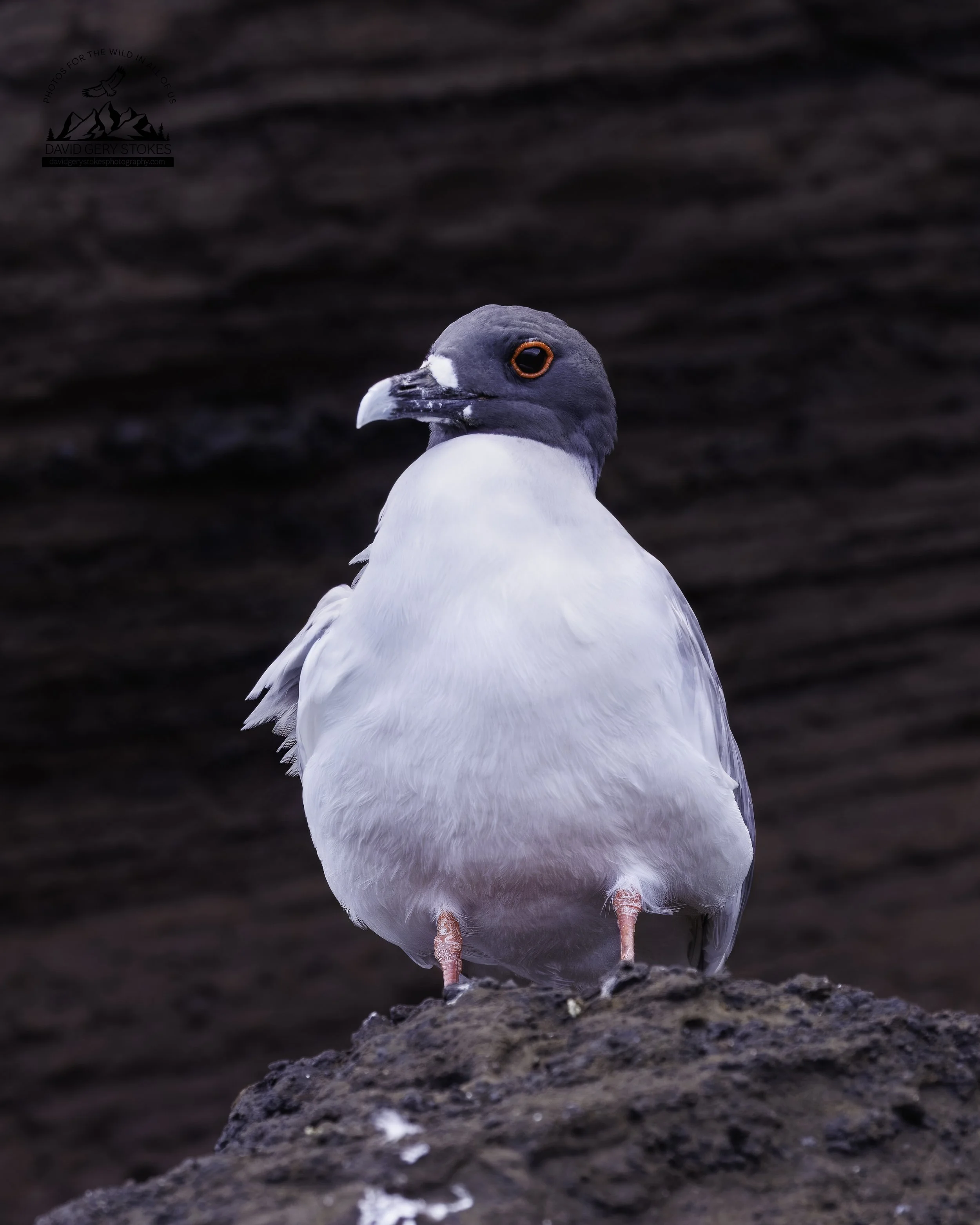
5327 Swallow-tailed Gull
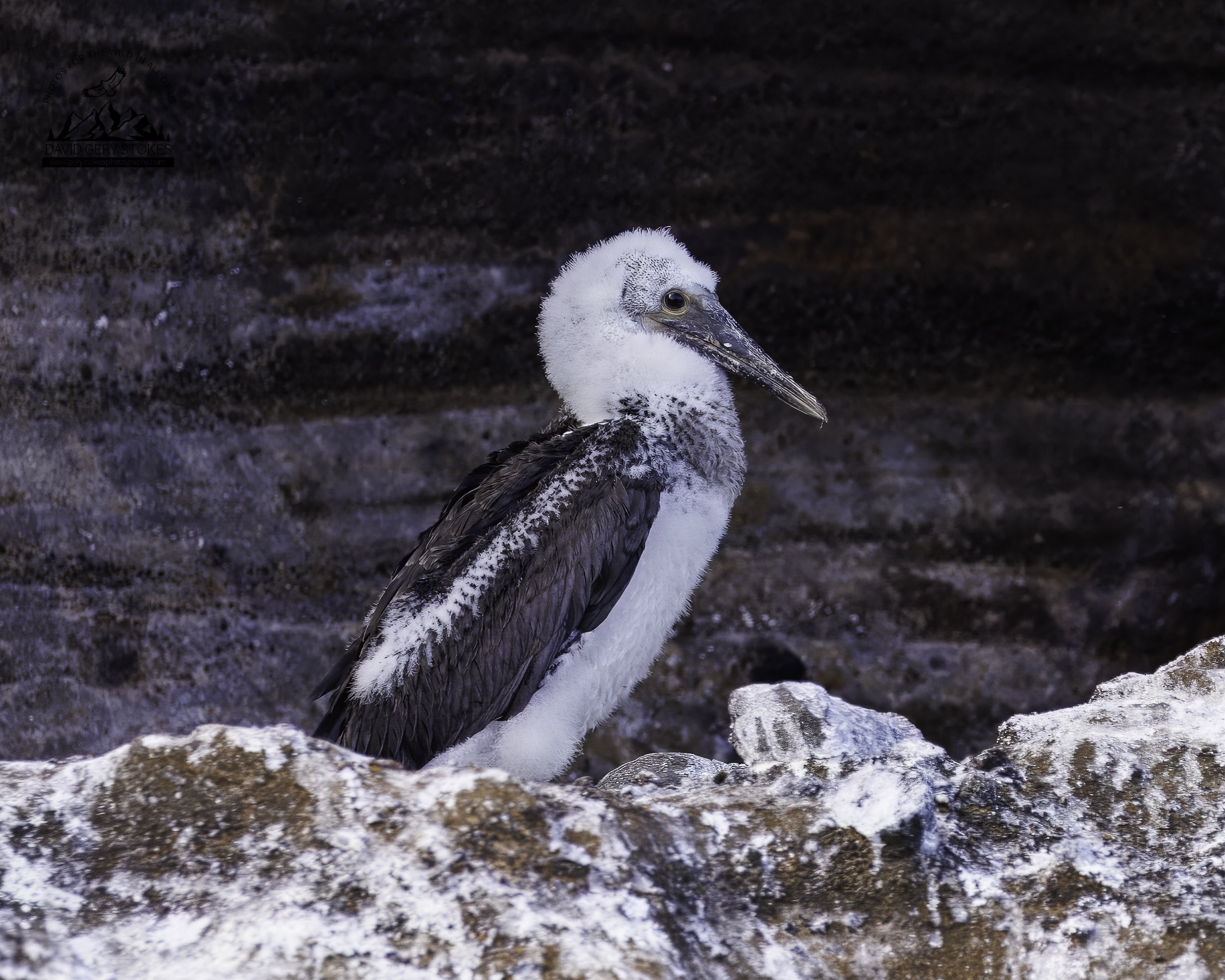
5463 Blue Footed Booby Chick
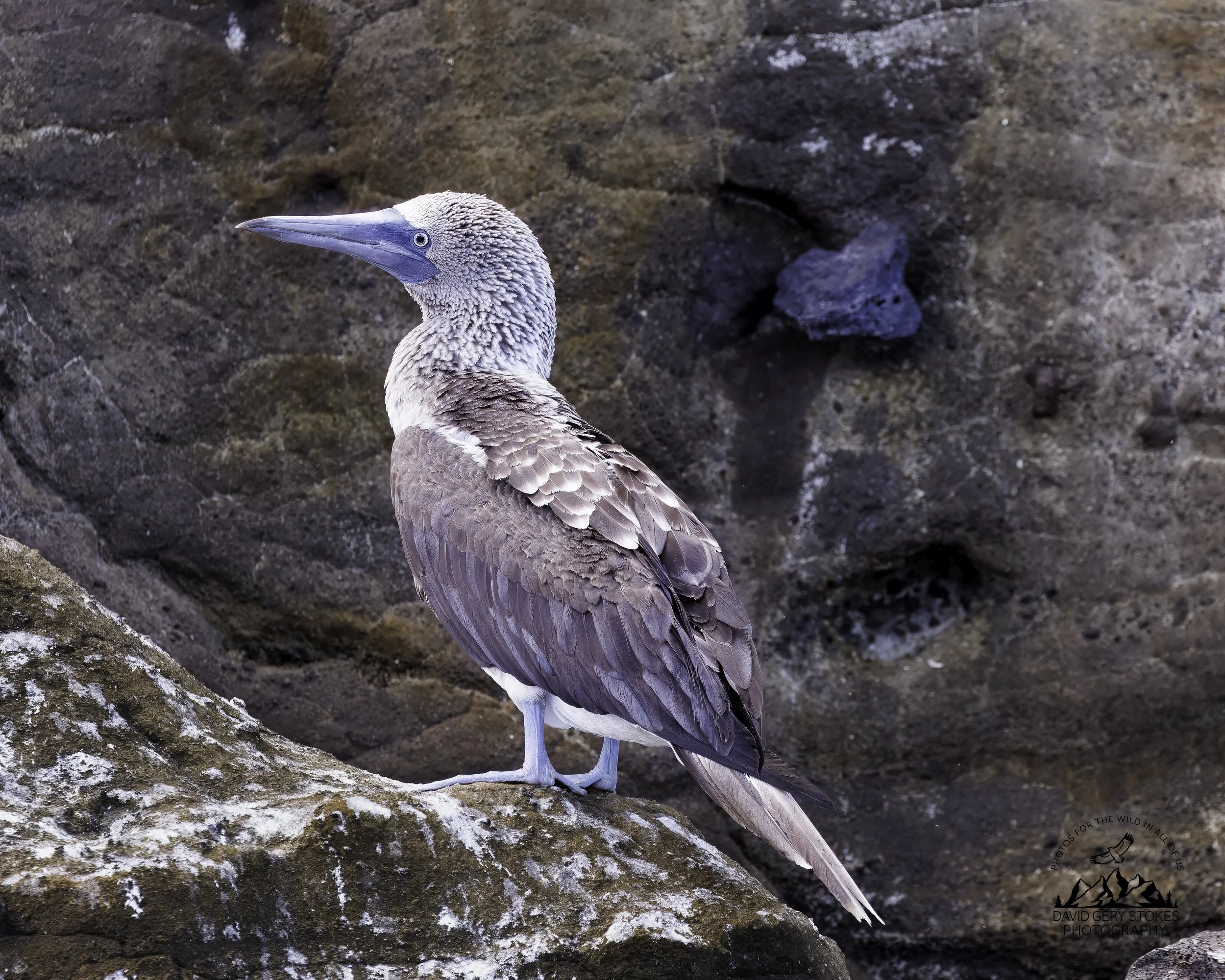
5522 Blue Footed Booby
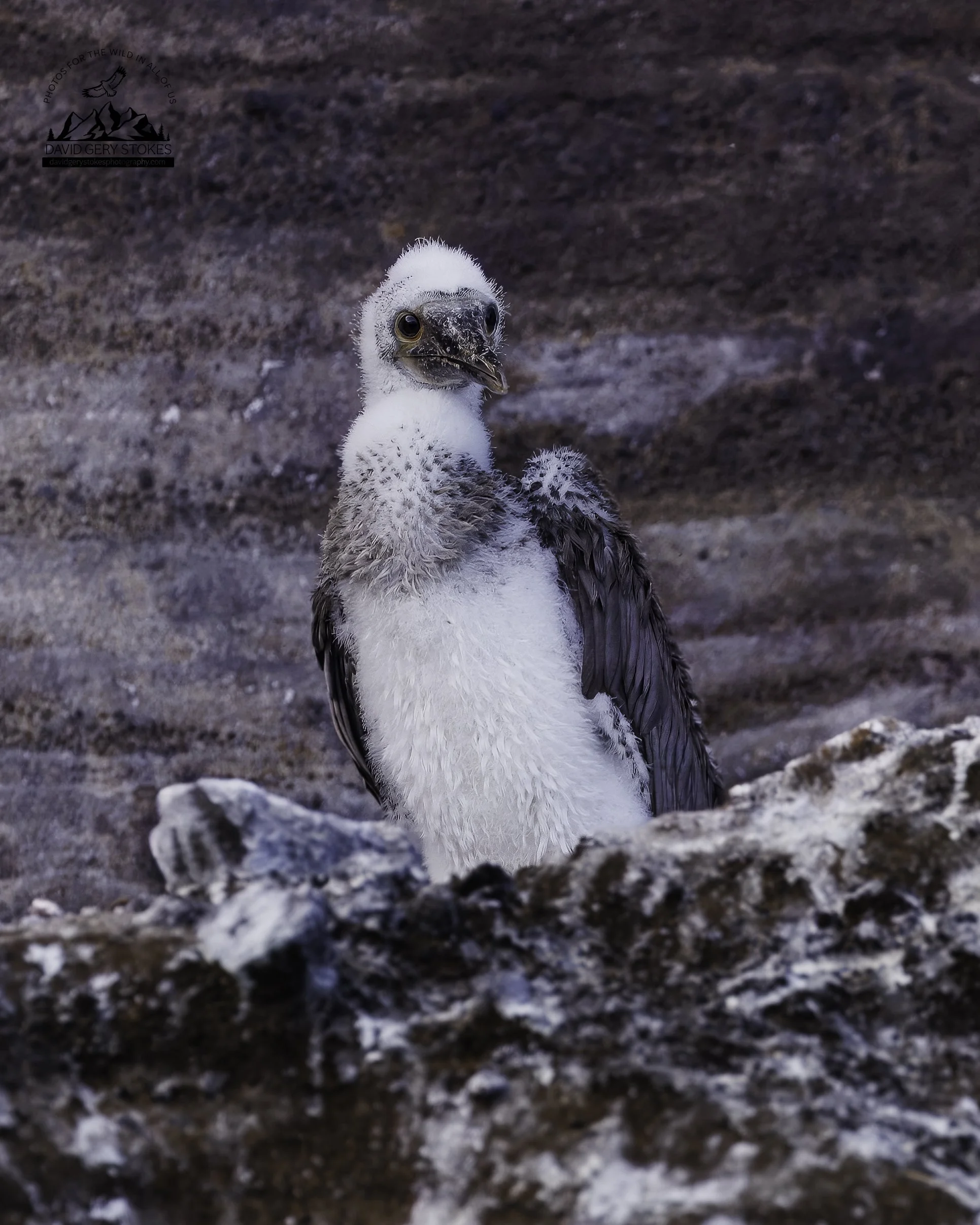
5545 Blue Footed Booby Chick
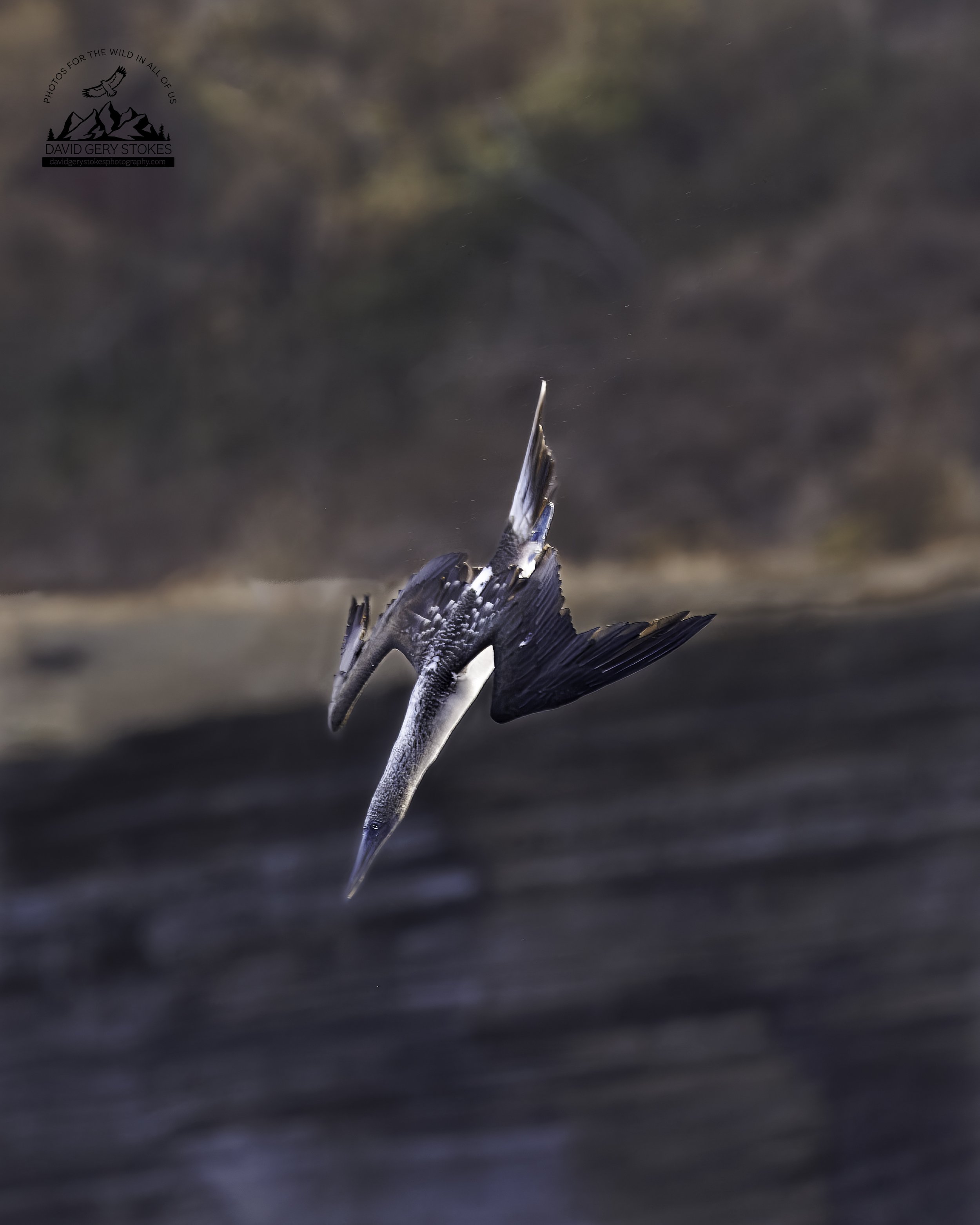
5590 Blue Footed Booby Dive
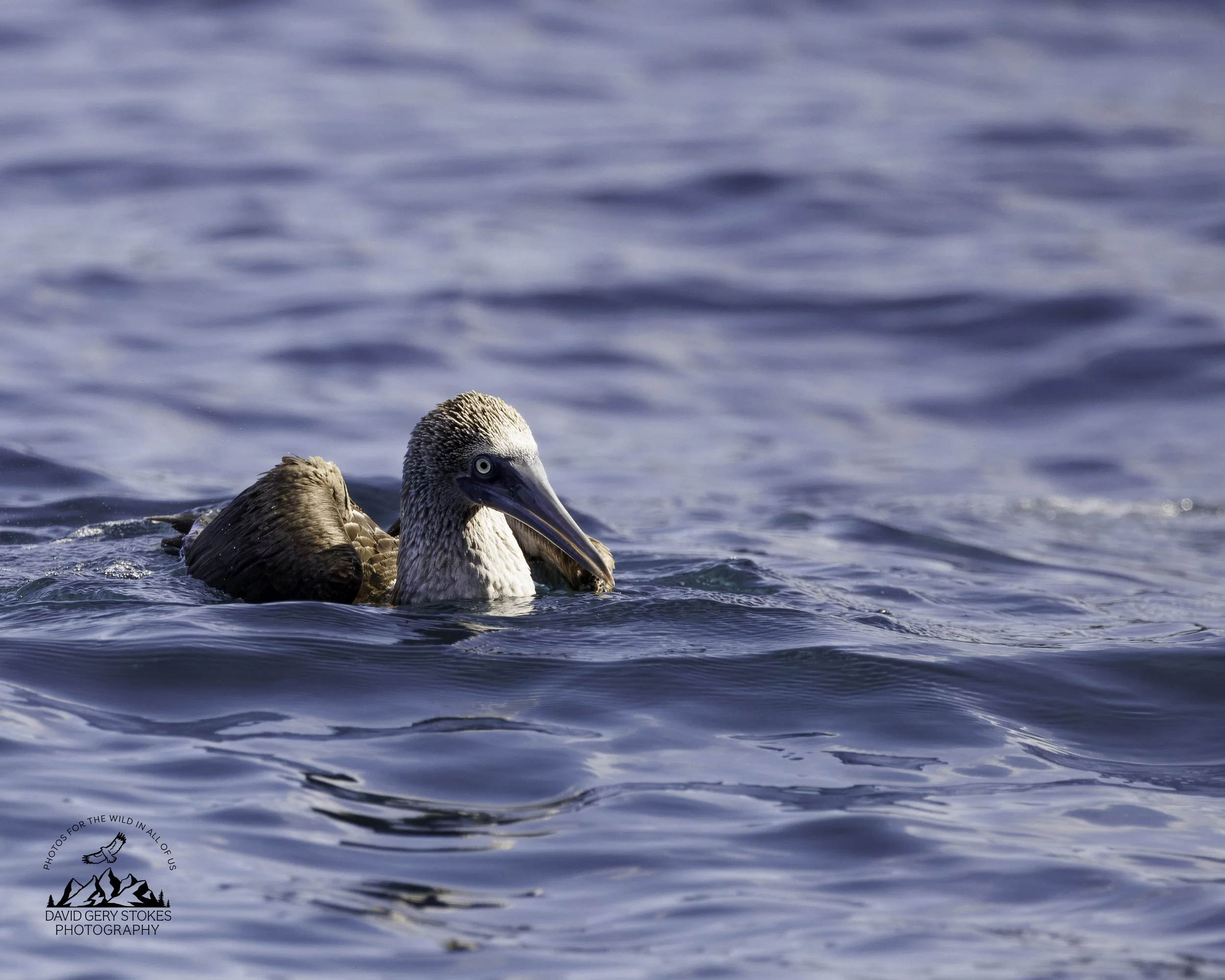
5596 Blue Footed Booby
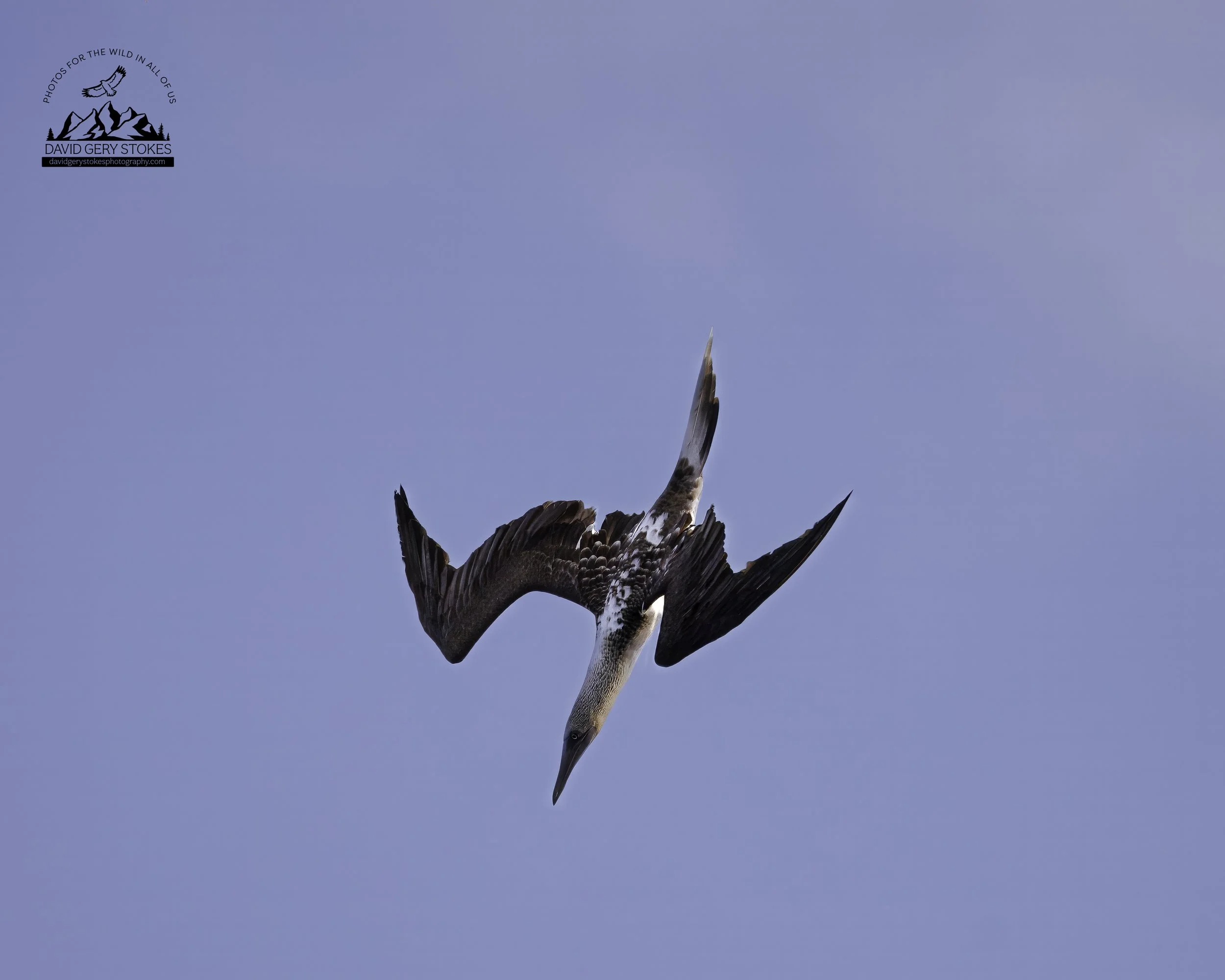
5604 Blue Footed Booby Dive
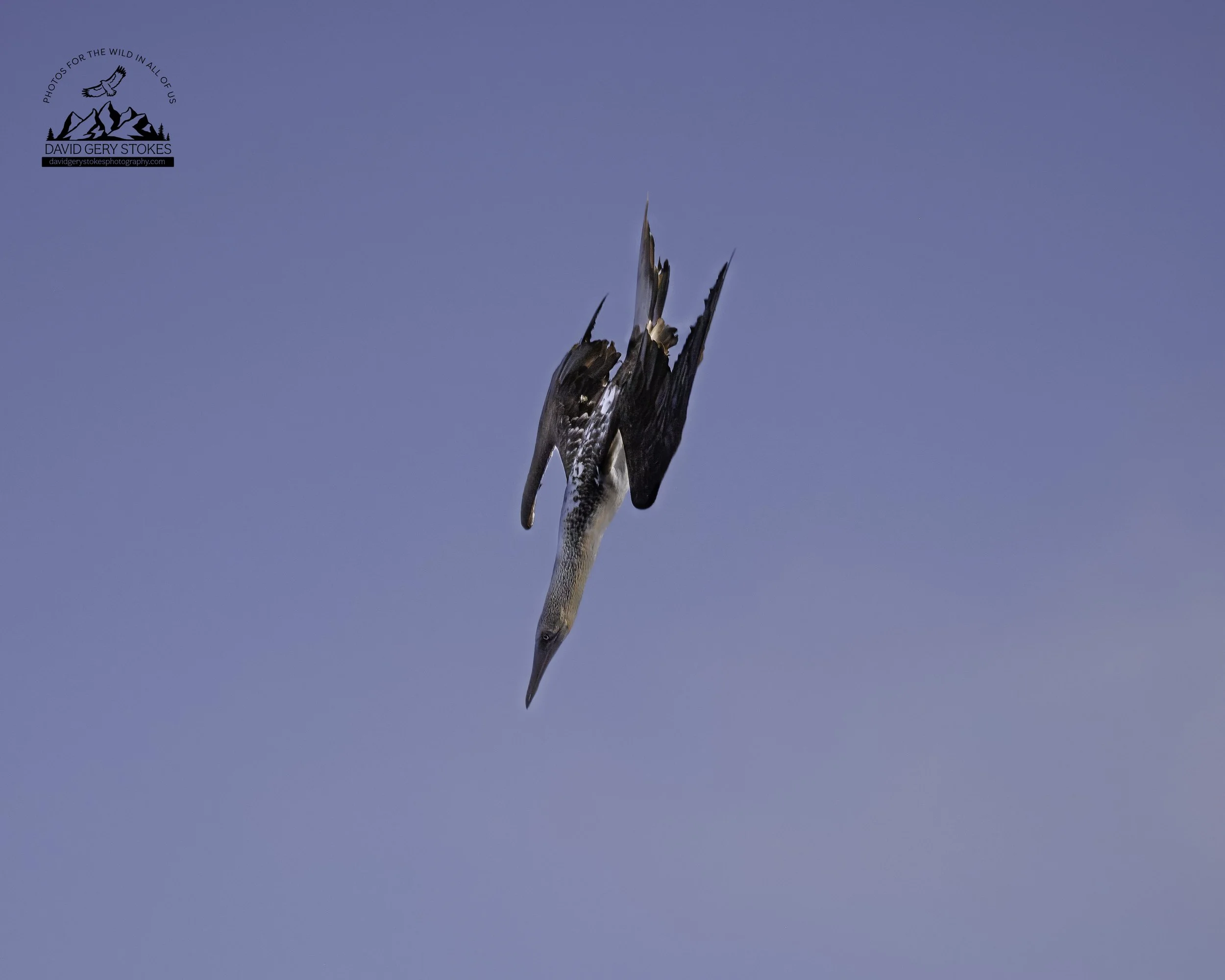
5605 Blue Footed Booby Dive
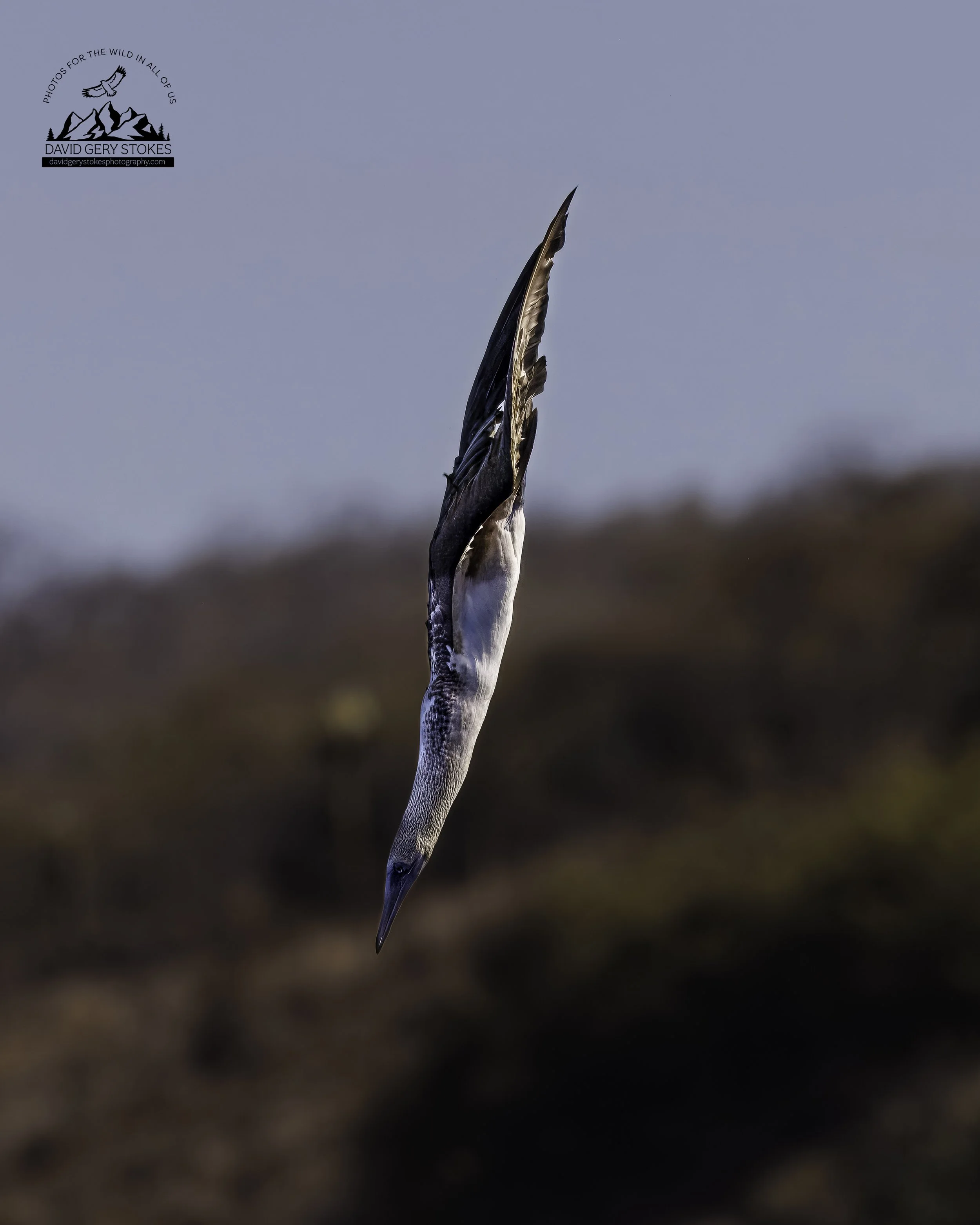
5606 Blue Footed Booby Dive
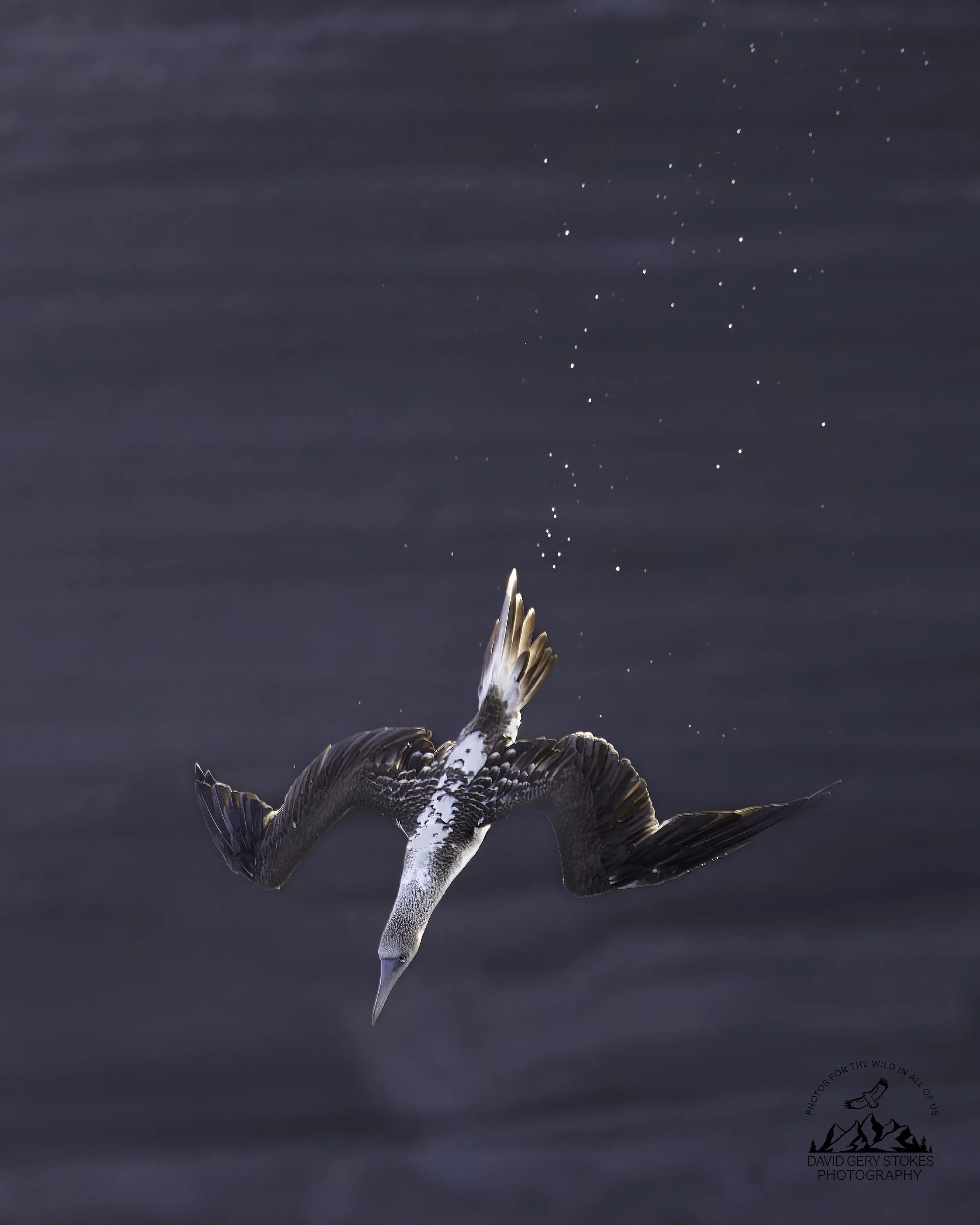
5625 Blue Footed Booby Dive
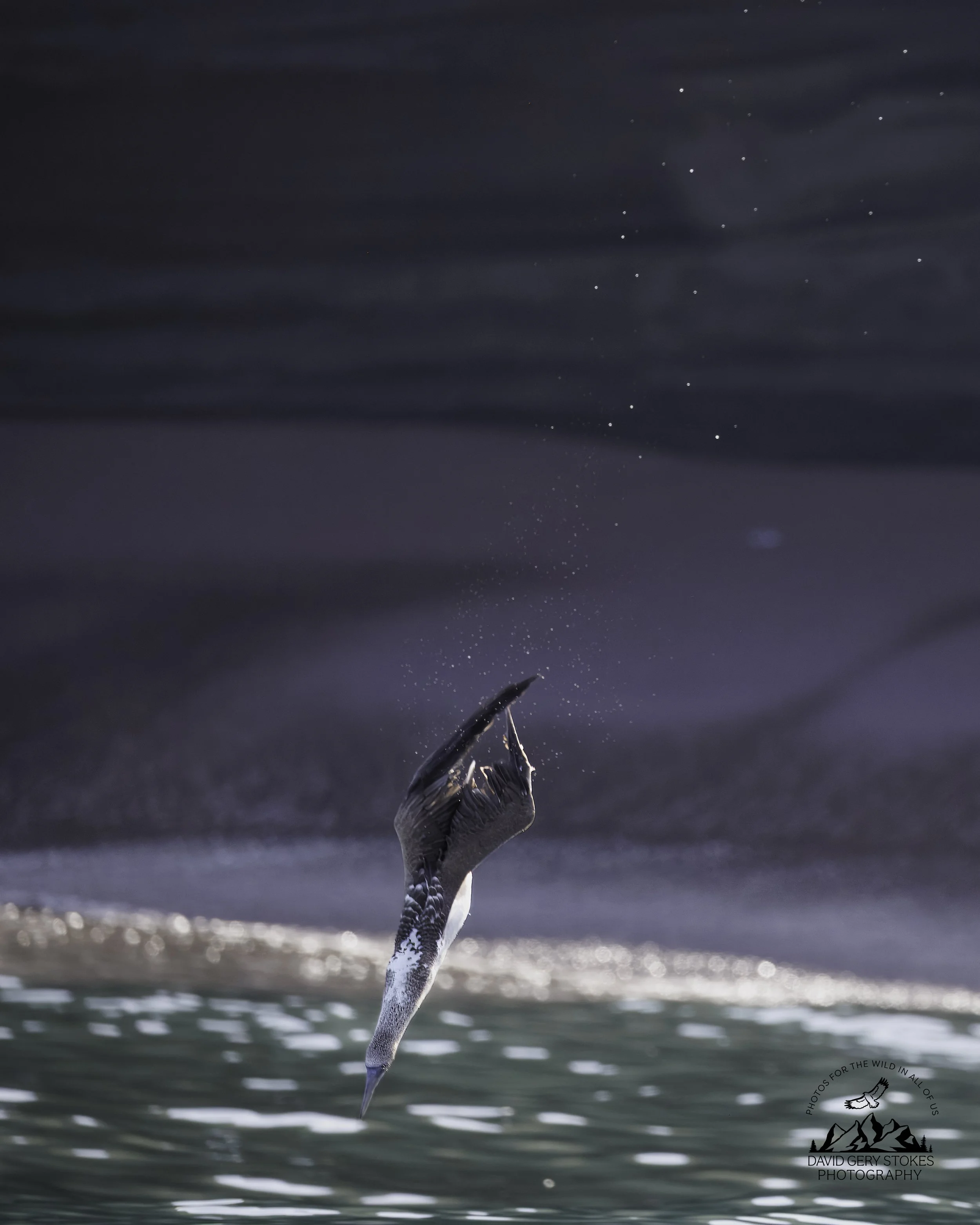
5626 Blue Footed Booby Dive
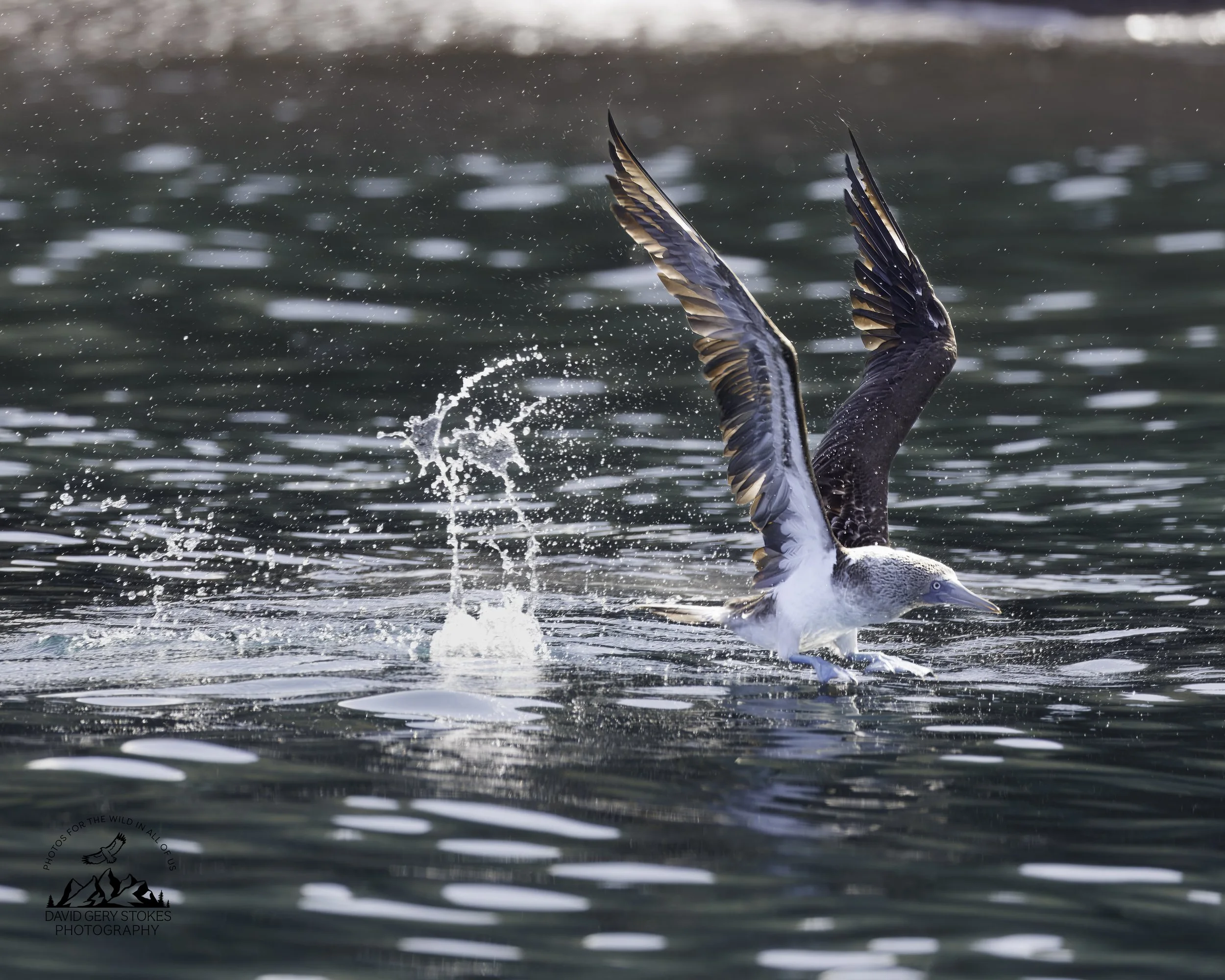
5630 Blue Footed Booby Takeoff
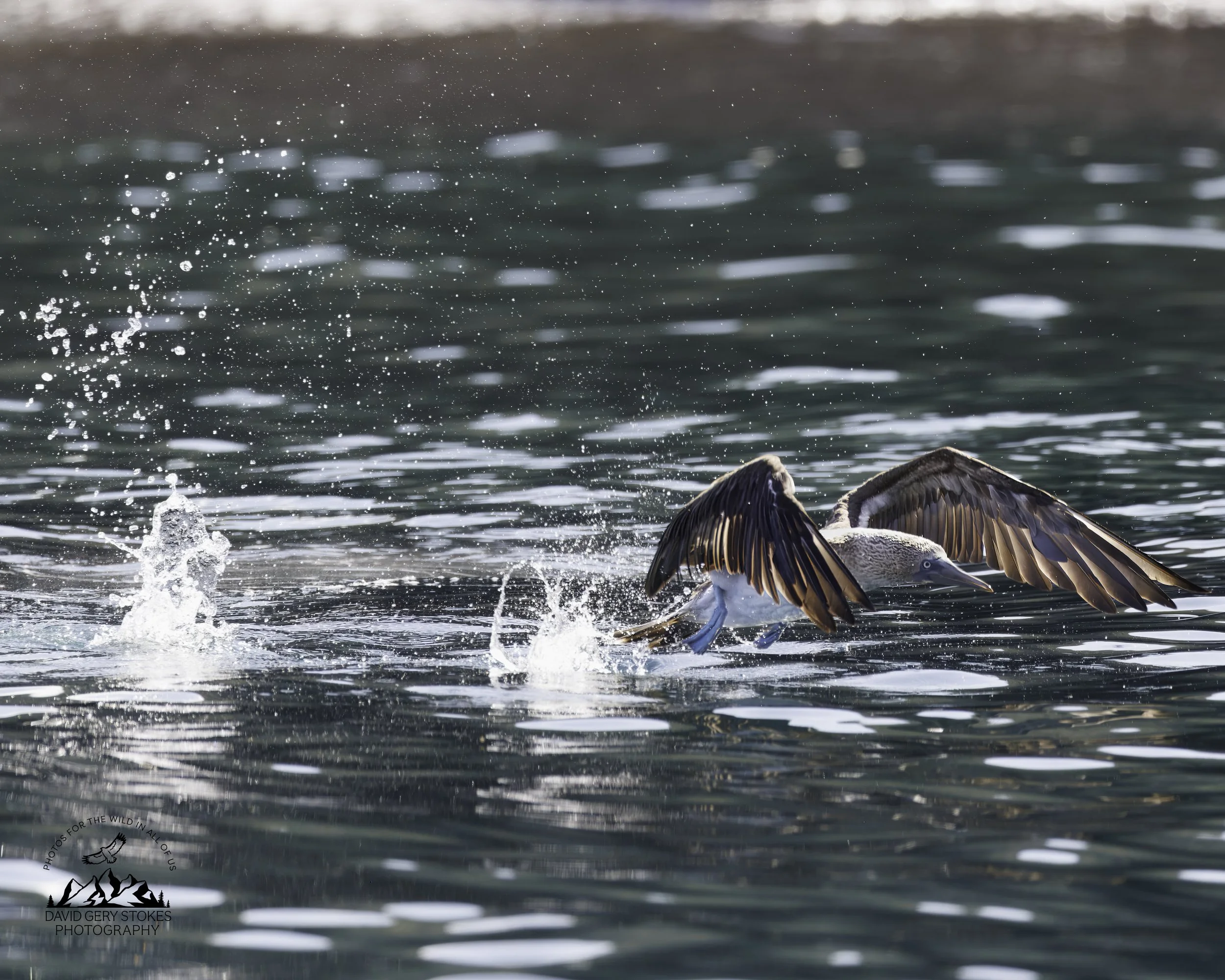
5631 Blue Footed Booby Takeoff
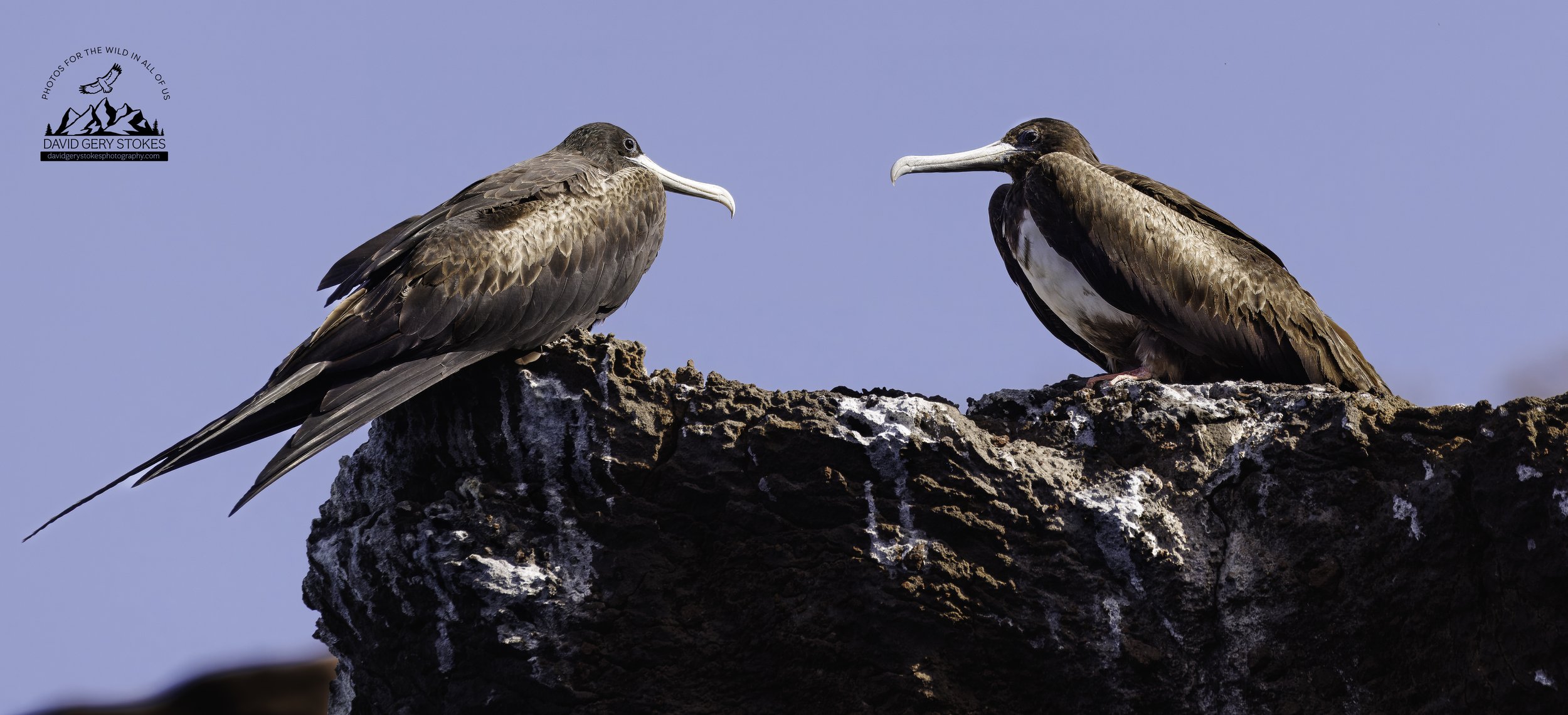
5775 Great Frigatebirds
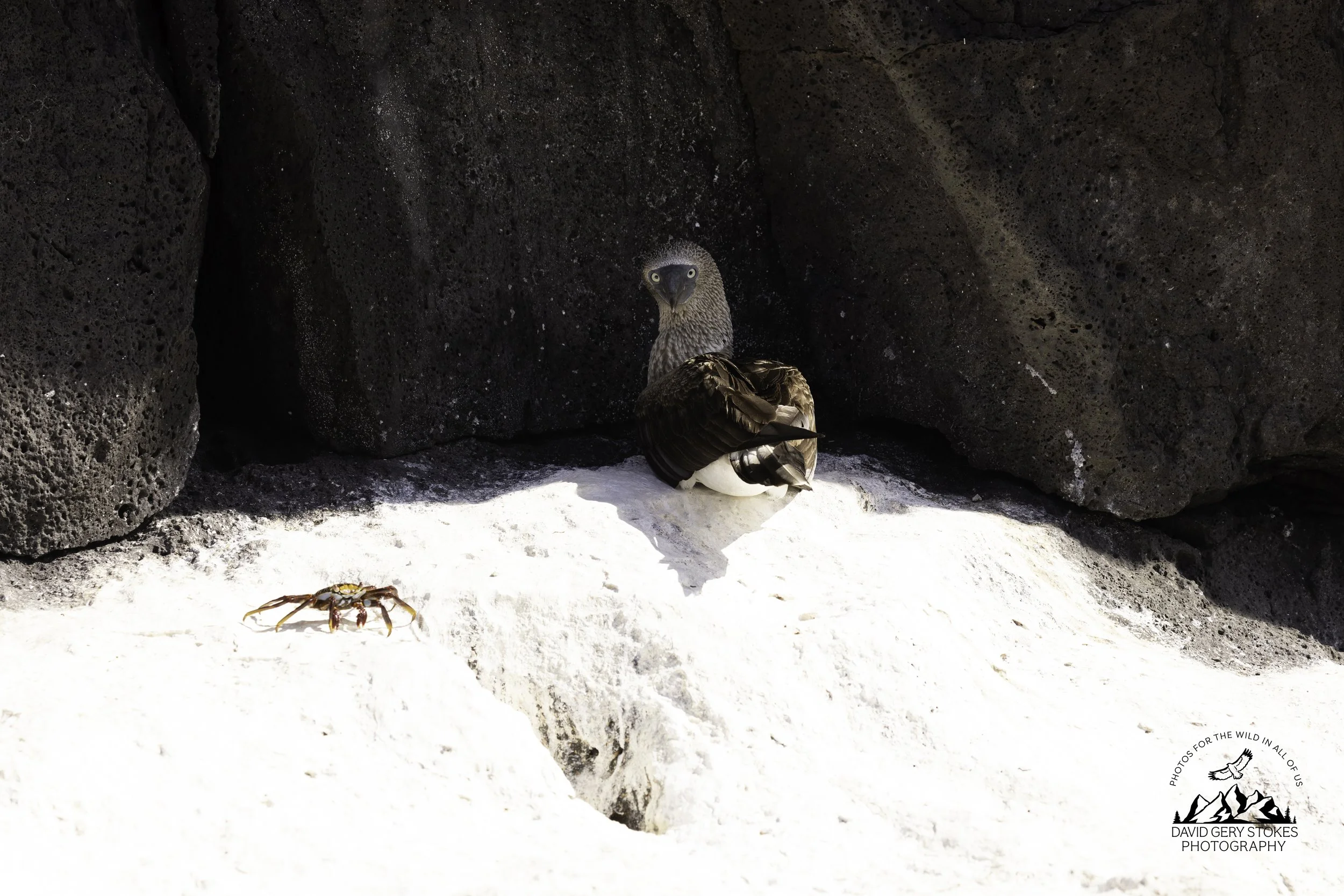
5883 Crab Attack!
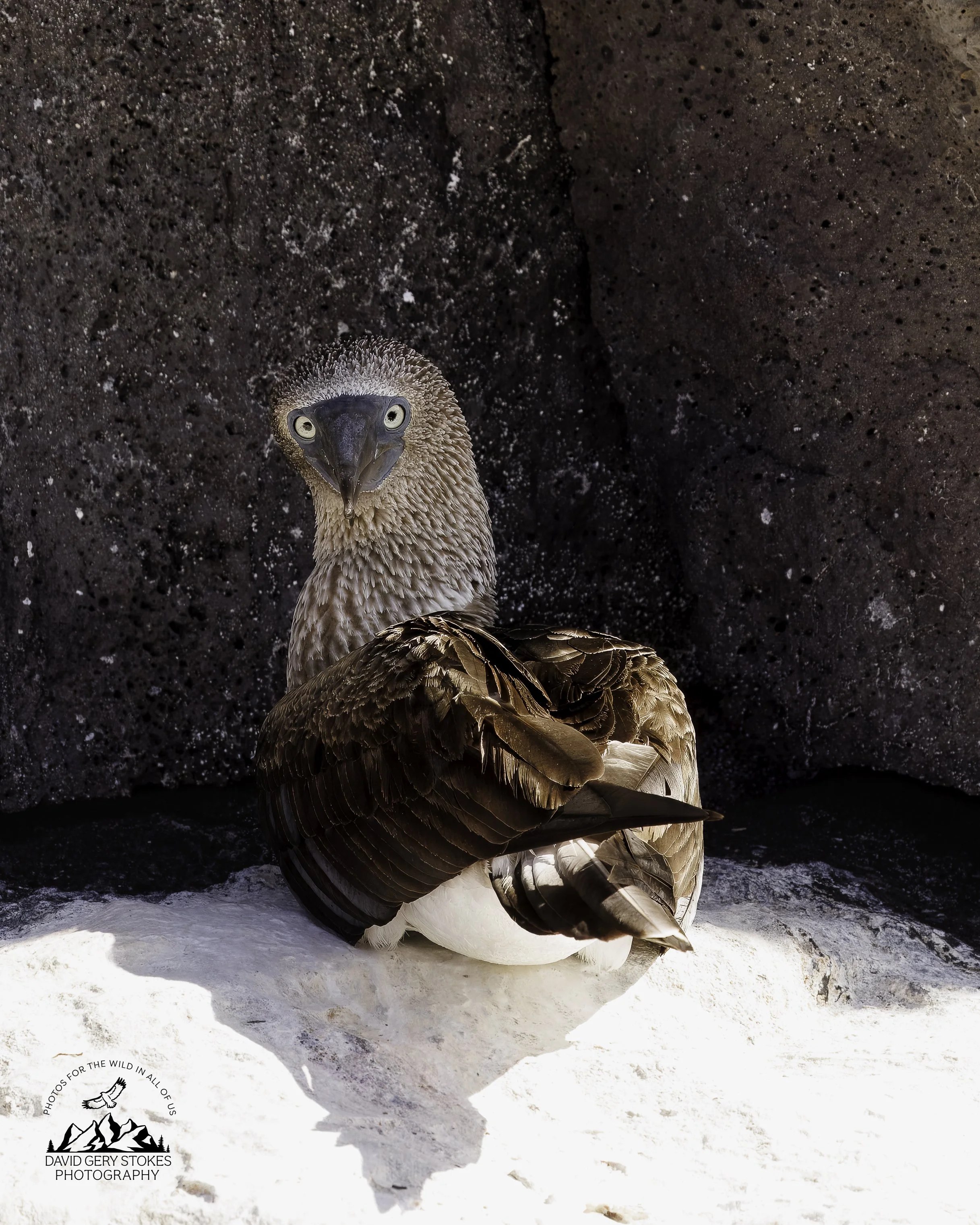
5883-2 Blue Footed Booby
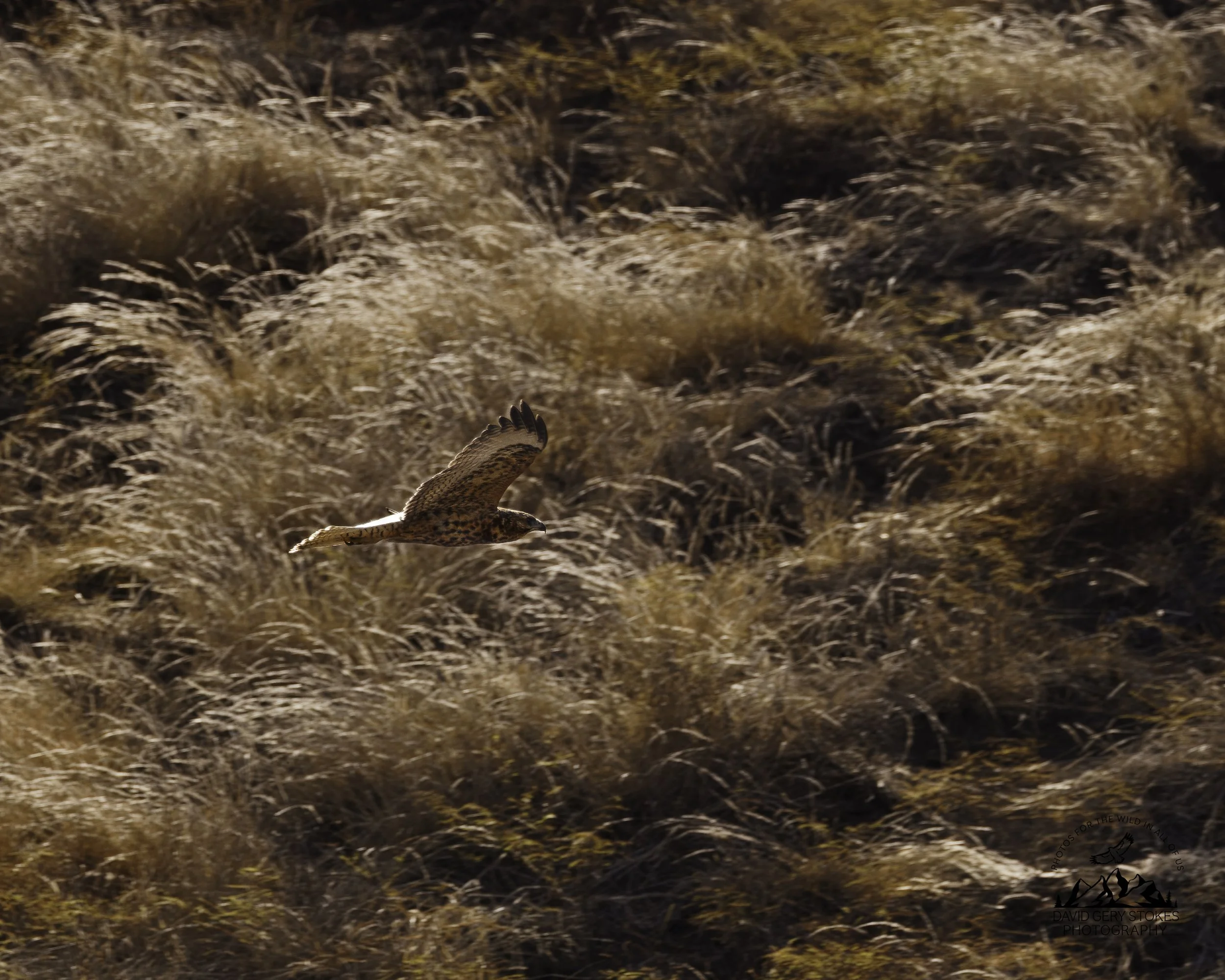
5939 Galapagos Hawk
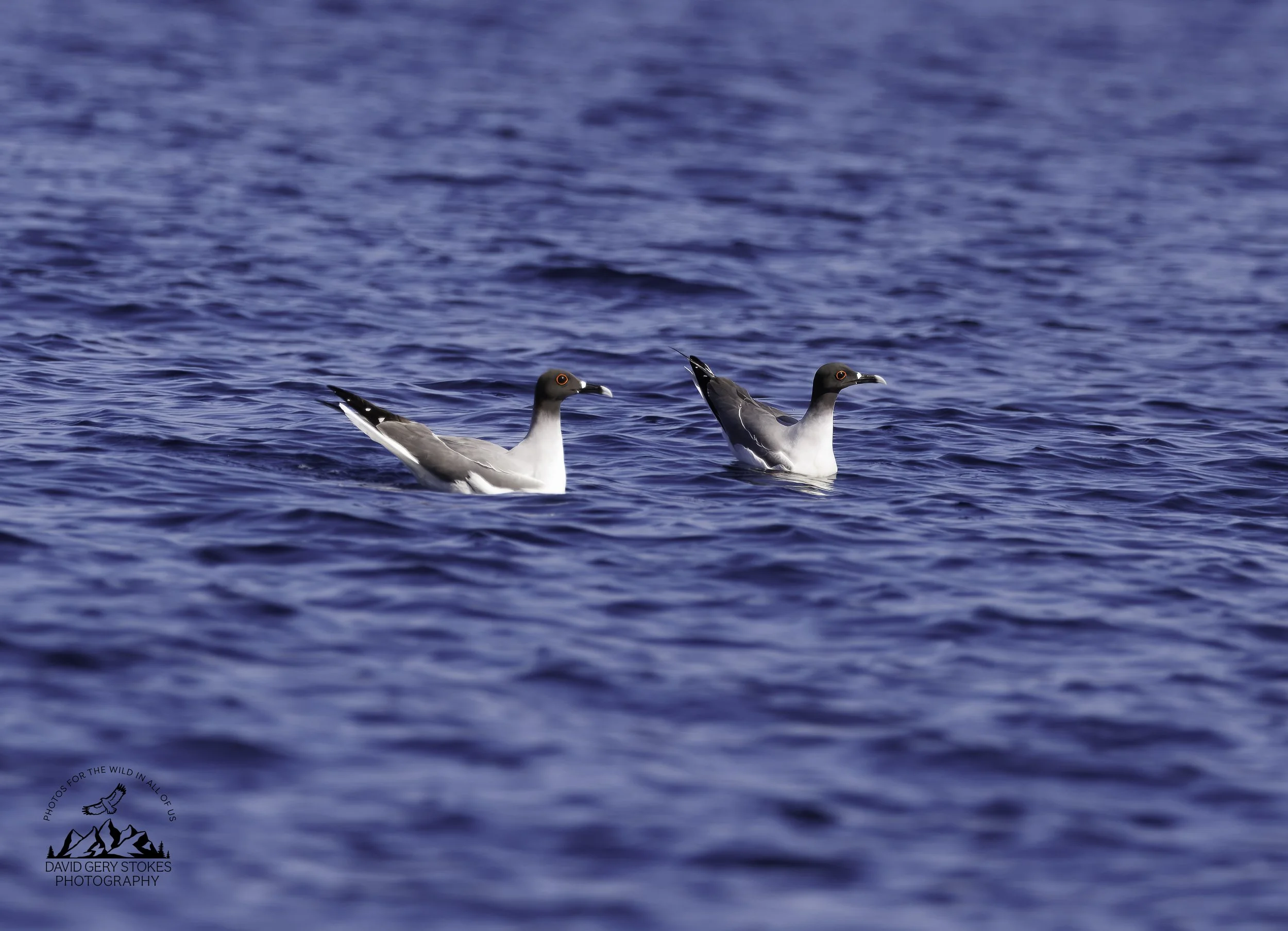
6106 Swallow-tailed Gulls
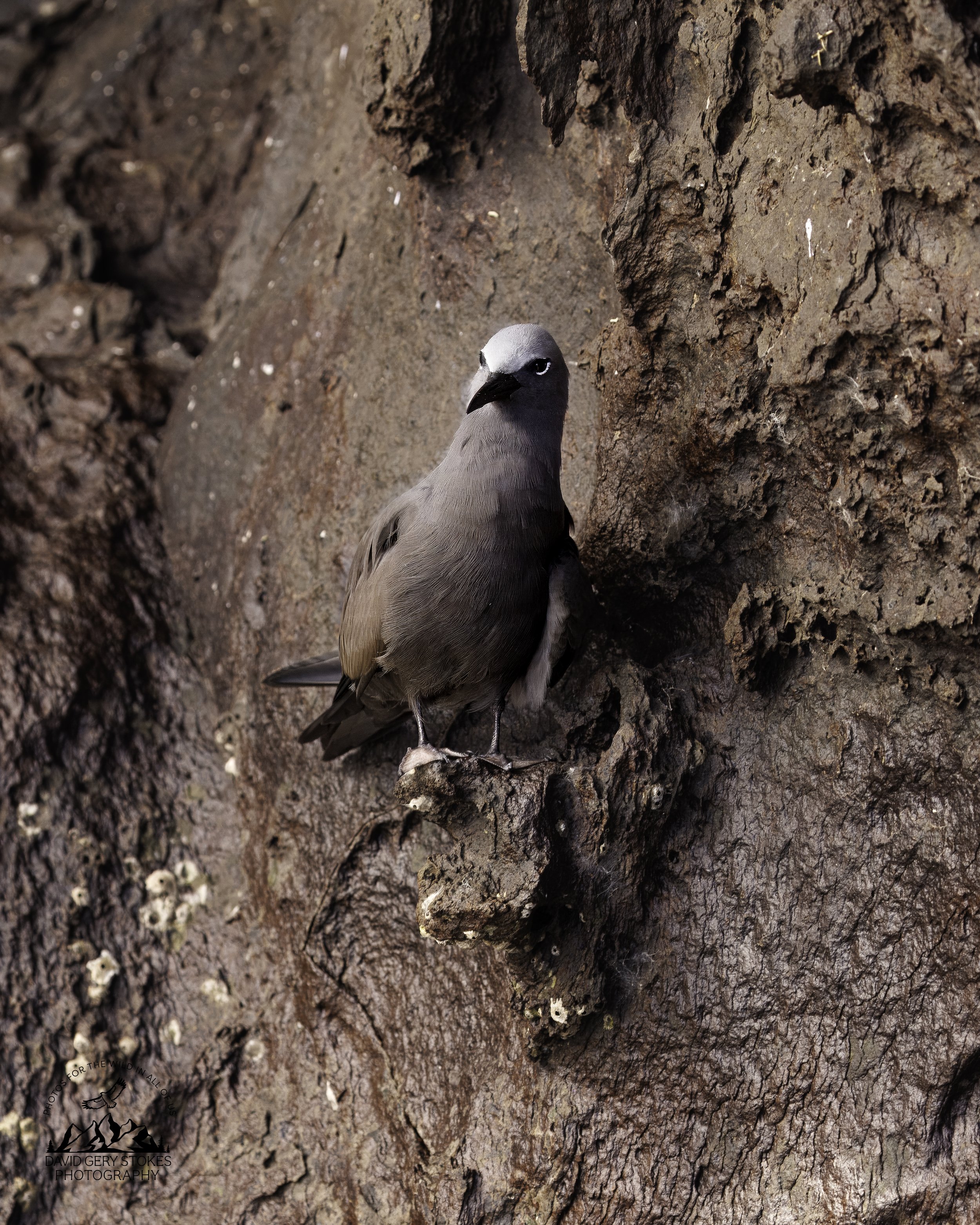
6152 Brown Noddy
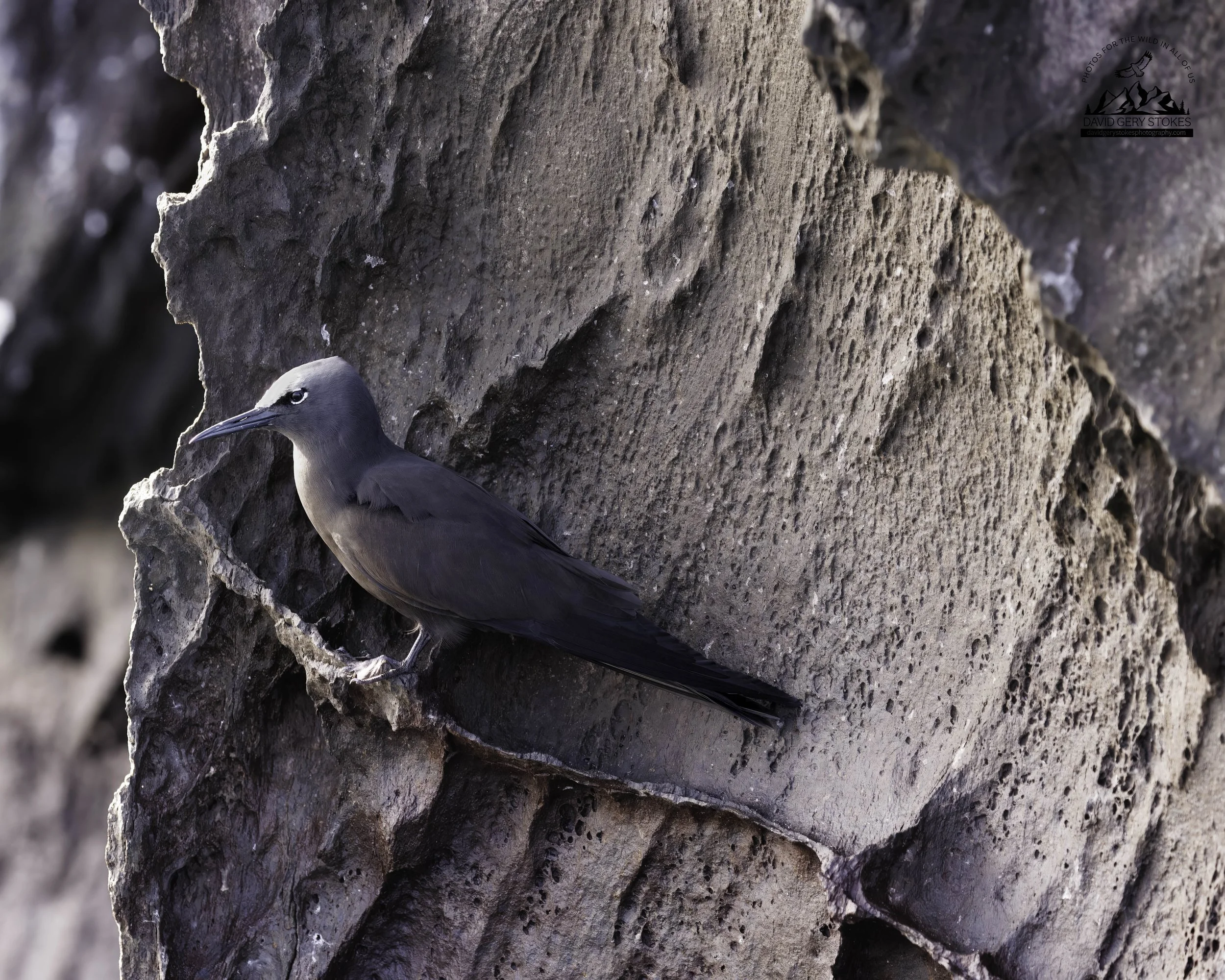
6167 Brown Noddy